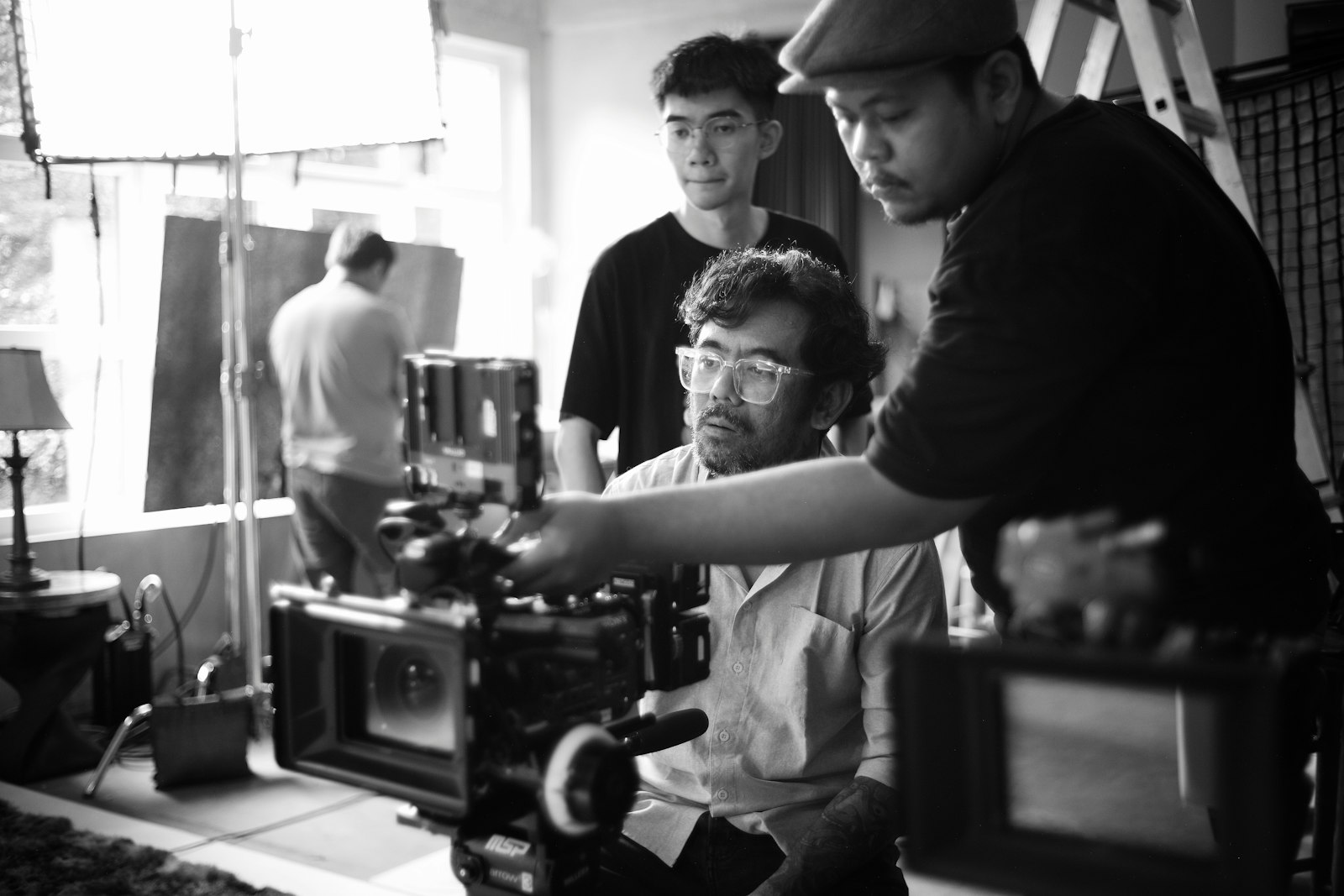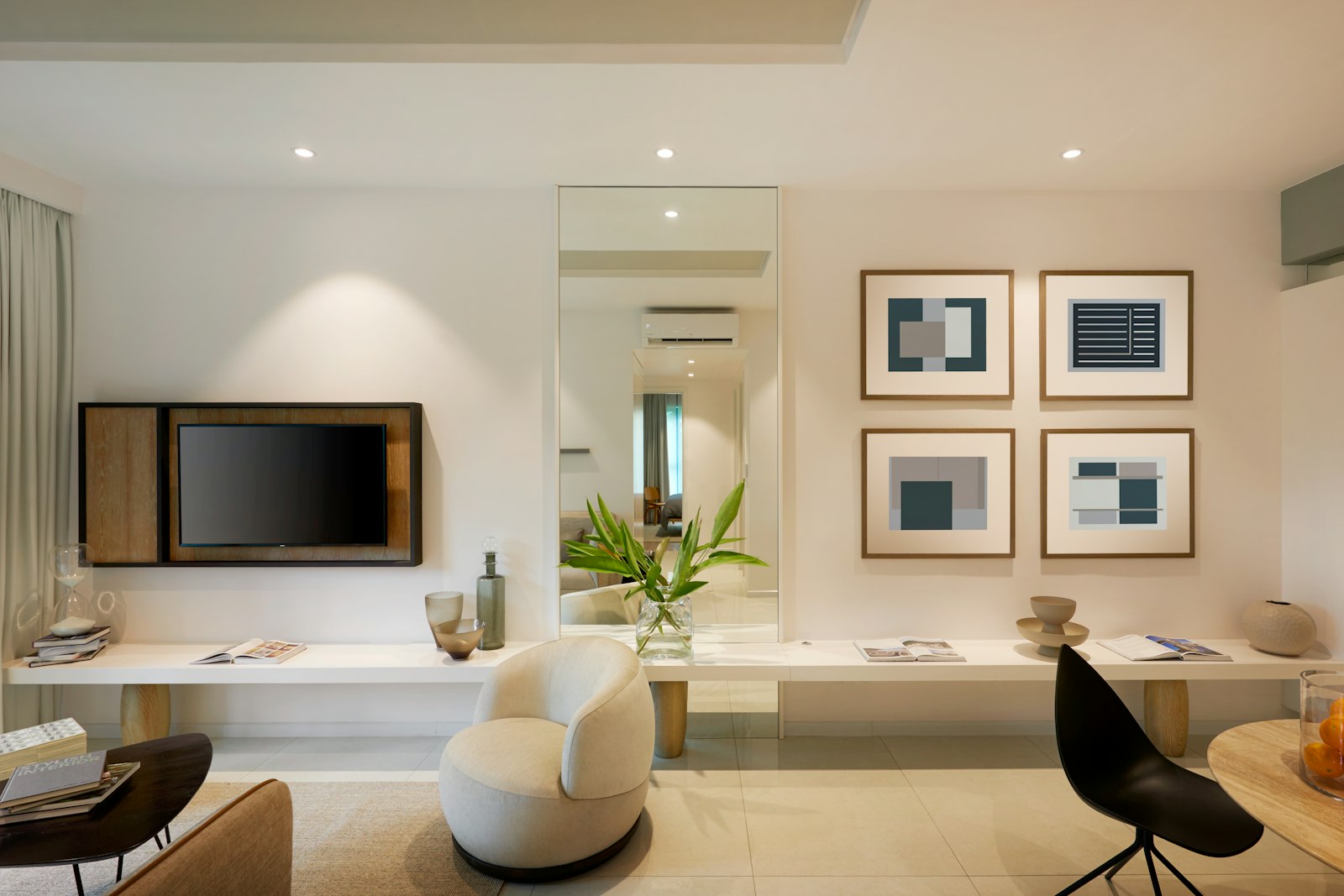
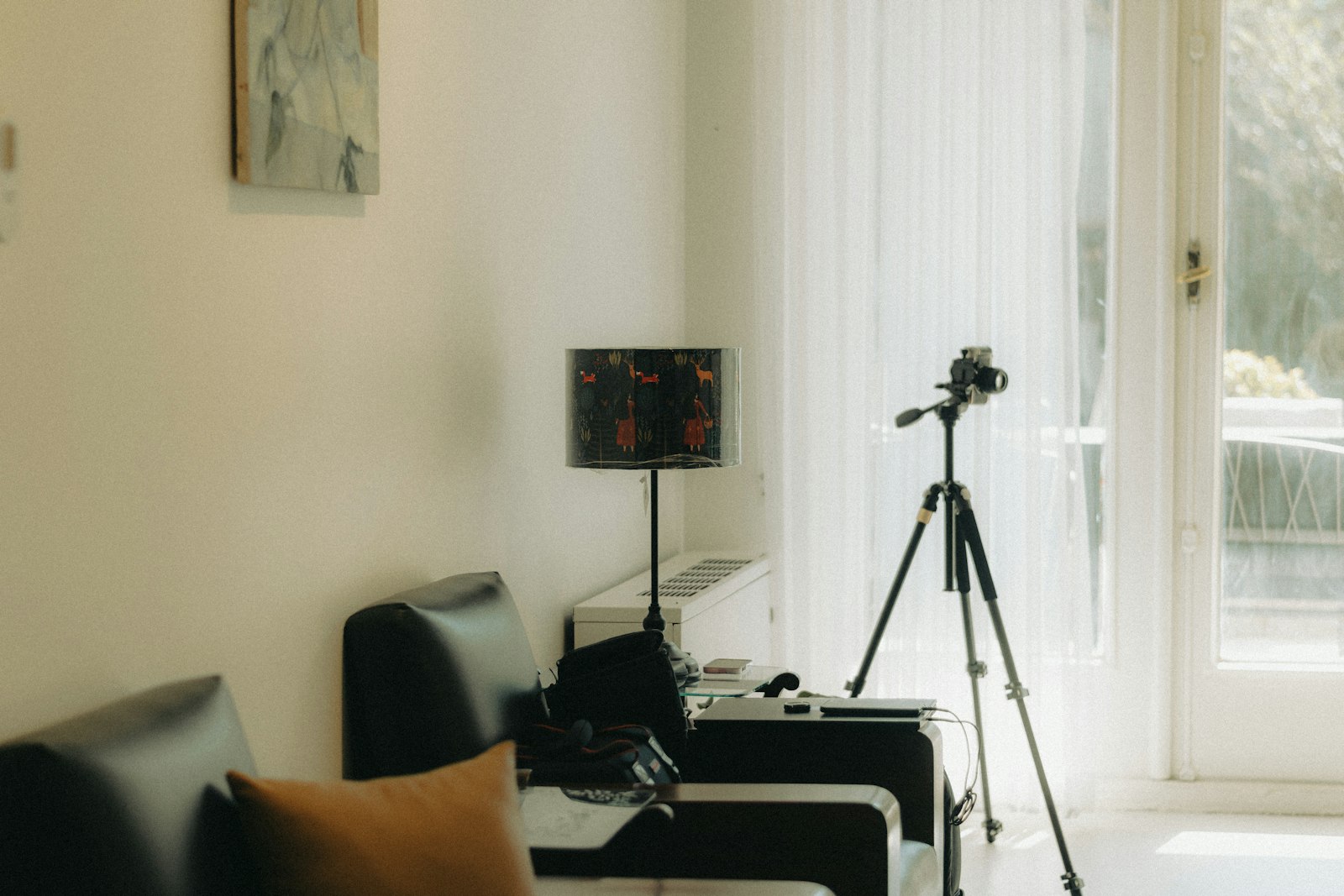
Your home is lived in, furnished, alive, and that is exactly what makes it believable on screen. Many owners still hesitate to open it to a crew, out of concern about disruption or intrusion. In practice, renting your home for a shoot while you live in it is common, as long as a few simple rules are set before the crew arrives.
Is it realistic to host a crew where you live
Yes, in most cases. Productions are used to shooting in lived-in homes, because a furnished, natural set costs less than building one on a stage. An occupied house brings textures, light and details that no studio reproduces easily.
What matters is not your presence, but the framework you set. The days and hours, the rooms that may be used, the number of people, the areas that are off-limits. Once those limits are written down, the crew works around them.
What moves and what stays
Before the shoot, the production sends you a list of what it would like to use. You then decide what stays in place and what should be put away.
- Furniture: often kept as is, sometimes shifted slightly for the camera. It returns to its place at the end.
- Personal items: photos, documents, fragile or valuable objects. Setting them aside is normal, and crews expect it.
- Rooms off the shot list: a bedroom, an office, a basement can stay closed. That is a condition you set, not a favour.
- Surfaces: floors and rugs are protected with runners and boot covers.
Where to stay during the shoot
It depends on the size of the project. A single-day shoot often happens while you are at work, out for a walk or at a relative’s place. A crew generally focuses on a few rooms and does not take over the whole home.
For a shoot that runs several days, the production may offer to rehouse the occupants or compensate you for the disruption. That question is settled in advance, within your conditions.
If you prefer to stay on site, that works too. You can plan an area reserved for you, where the crew does not circulate.
Privacy and off-limits areas
Privacy remains your call. Productions have every interest in respecting a clear framework, because they want to be able to come back.
- Closed rooms stay closed, including for gear storage.
- Personal photos and documents are not filmed, even in the background.
- Crew traffic is limited to the agreed hours.
- Neighbours are told ahead of time when the shoot involves equipment on the street.
What you set in the contract
Every booking arranged through Locloc comes with a signed contract that sets out each party’s responsibilities. You approve each project and set your own conditions.
You can also require proof of the production’s liability insurance and a security deposit. Your own home insurance remains your primary coverage, and it is worth checking with your insurer, since most policies exclude commercial activity.
To see how a first shoot day unfolds, read our article on hosting your first film shoot.
How much a shoot in a lived-in home pays
Rates are the ones you set, and living in the space does not change the ranges. As a guide, per shoot day, a residence rents for $500 to $2,000, a commercial space for $1,500 to $5,000, an outdoor space for $500 to $2,500, and an exceptional venue for $8,000 and up.
To get your property ready before the crew arrives, see our guide on how to prepare your property for a shoot.
How to get started
The directory of filming locations across Canada will bring properties and their owners together in one place, with price ranges and a common booking framework.
If your home can host a crew without upending your routine, list your property on the waitlist for free. Registration carries no obligation and no credit card.