A well-located, bright, carefully furnished condo is one of the most sought-after spaces for a production. It also comes with its own constraints: access, neighbours, and the rules of the building. Here is what a shoot actually involves in a condo, and how to decide whether your unit is a good fit.
Why productions look for condos
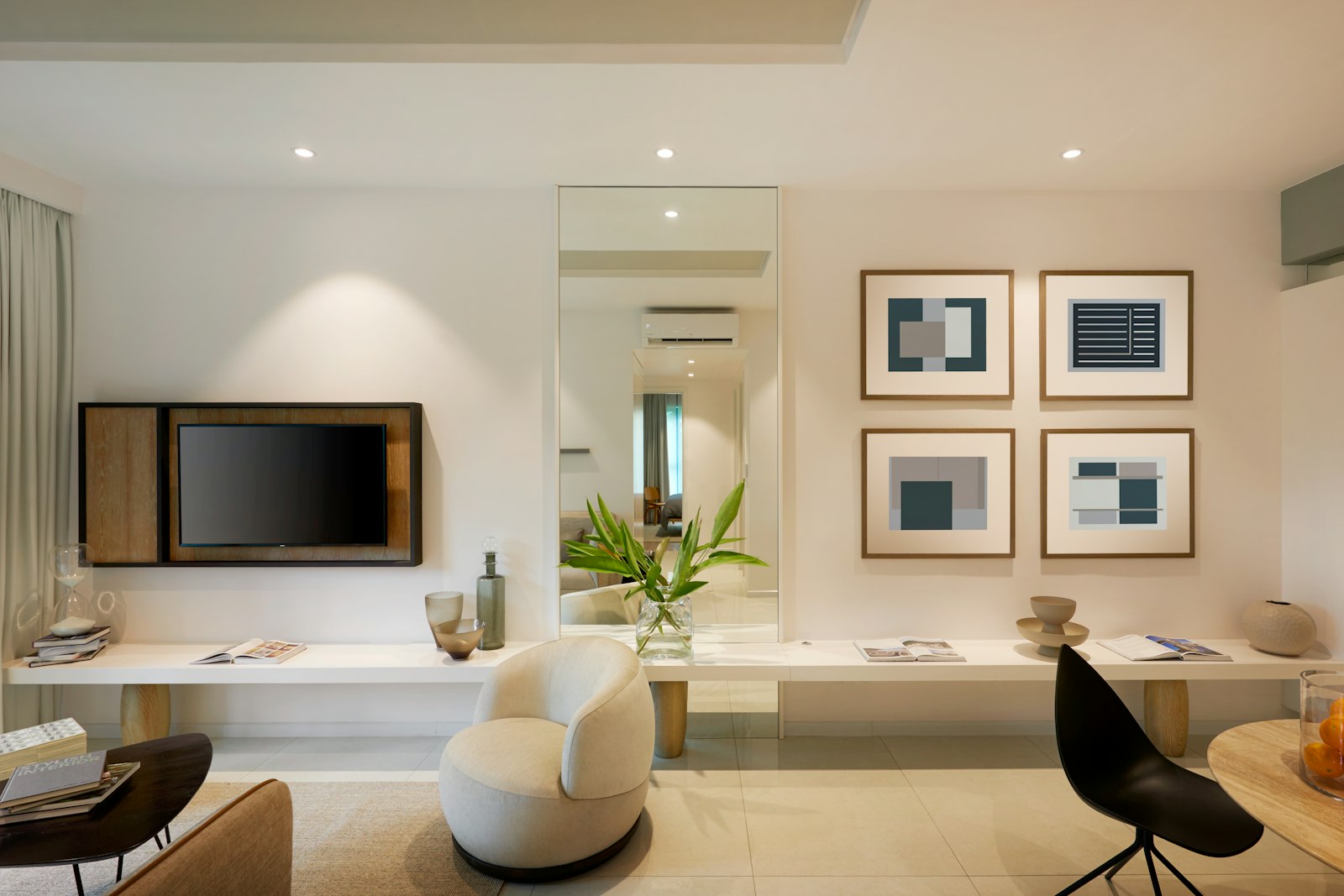
Productions need believable apartments. A condo can serve as the set for a series scene, a commercial, or a film without anyone building a set in a studio. What location scouts value: large windows, abundant natural light, an open kitchen, contemporary lines, and a view that says something.
Near major production hubs such as Toronto, Vancouver, or Montreal, demand for this kind of space is steady. A well-kept condo can host several projects a year, often on weekdays when you are away.
What productions evaluate in a condo
Not every condo works for a production. Four things come up in every scout visit:
- Access. An elevator, a loading area, nearby parking, and a short walk from the door to the unit make a real difference. A crew carries heavy equipment, often in several trips.
- Light. Orientation and window size matter more than total square footage. A very bright condo is easier to shoot in, without heavy supplemental lighting.
- Clear space. There has to be room for tripods, lights, and crew movement. A cluttered room slows everyone down.
- Quiet. Soundproofing between units and the nature of the flooring affect how comfortable the shoot is, especially for dialogue scenes.
These criteria are not about luxury. A simple, clean, well-lit condo often rents better than a spectacular unit that is hard to reach.
Building rules to check first
A condo involves shared living, and this is the point an owner has to settle before accepting a project. Take the time to reread your building’s rules and check anything that touches commercial use, work hours, access to common areas, and noise. In many buildings, approval or notice to management is required.
It also helps to tell your immediate neighbours before a shoot, especially if the crew arrives early or works in the evening. An informed building reacts far better to a crew than a surprised one.
On Locloc, you remain the decision maker: you approve each project, and you can turn down a request that does not suit your building.
How much a condo rental earns
A residence, condos and apartments included, typically rents for $500 to $2,000 per shoot day. The amount depends on the production, the duration, the season, and the constraints you agree to.
Prep days and strike days are billed separately, often at a reduced rate since no crew is actually filming. To position your unit, our guide to what a filming location can earn breaks down the ranges by property type.
What protects your condo
Before every shoot, a signed contract sets out each party’s responsibilities. You can also require proof of the production’s liability insurance and a security deposit. Both requirements are common, and productions are used to them.
One important point: Locloc does not provide or arrange any insurance. Your own home insurance remains your primary coverage, and most home policies exclude commercial activity. Before your first shoot, check your situation with your insurer. Our article on insurance and contracts for a filming rental covers the checks each side should make.
How to start
If your condo is bright, well kept, and easy to access, it belongs in the directory. Browse filming locations in Toronto to see how comparable units present themselves, then list your property on the waitlist. Registration is free, with no obligation and no credit card.