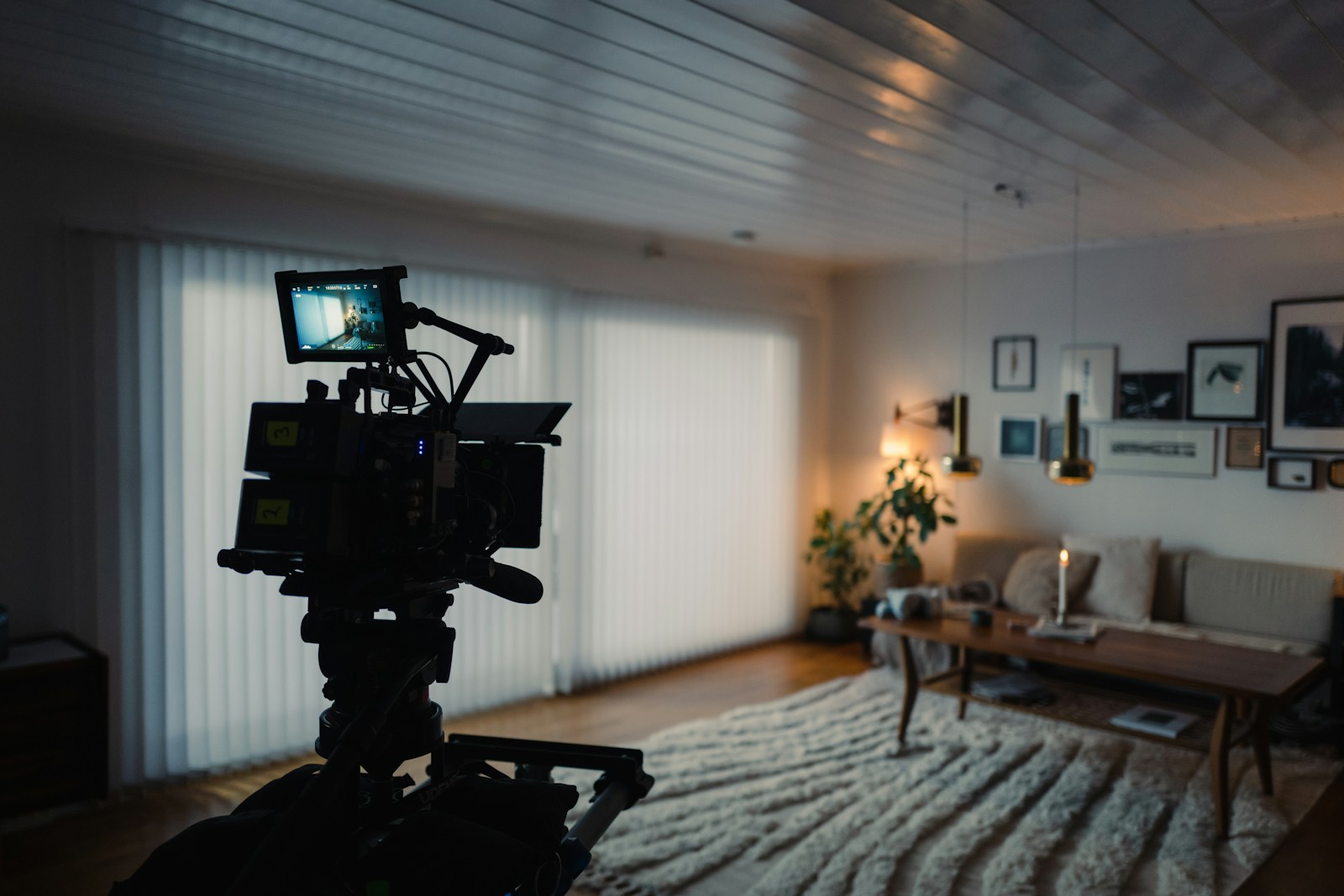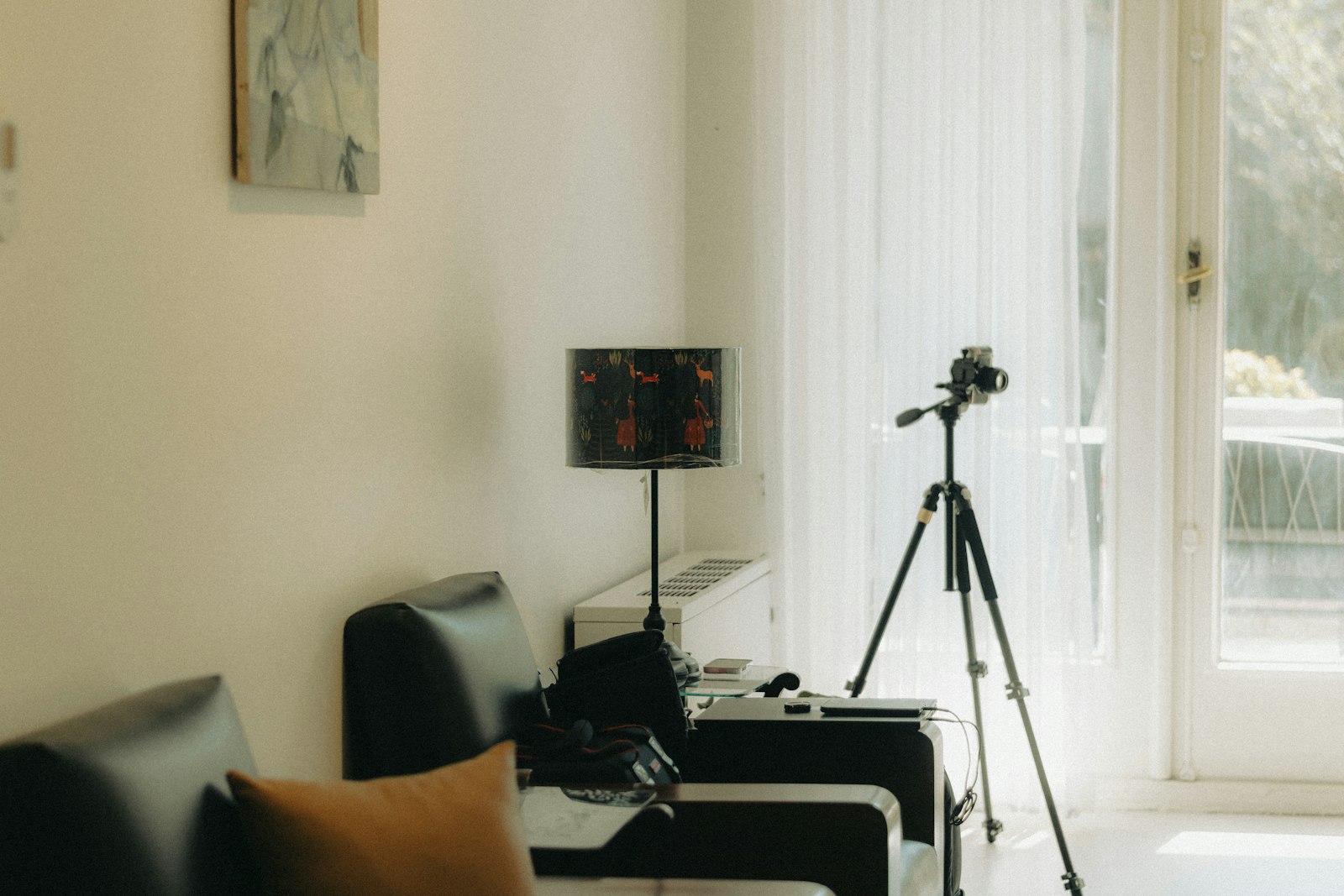

Hosting a shoot is simpler than most people expect, but a little preparation makes the difference between a smooth experience and a complicated day. Here is how to present your space and get ready to receive a crew.
What productions look at first
Before ever visiting, a location scout judges your space on photos. They should be clear, bright, and honest. A few principles:
- Shoot in daylight, curtains open, no filters.
- Show rooms as they are, without emptying or over-decorating them. The production wants to see the real place.
- Include the useful angles: wide views of each room, ceiling heights, windows, access points.
A well-documented location receives more requests, because the scout can picture the shoot without travelling to see it.
What matters to a crew
Beyond looks, crews assess logistics. The things that make a location easy to shoot in:
- Room to move. A crew shifts lighting, cameras, and equipment. Clear rooms beat cluttered ones.
- Nearby parking. Trucks, trailers, and production vehicles need somewhere to park.
- Power. Access to outlets and the electrical panel is often required.
- Natural light. Large windows make the work easier and improve the result.
- The ability to move furniture. Many scenes require temporarily rearranging a room.
You do not need all of this to rent your space. But the more you offer, the wider the range of productions your space appeals to.
The questions to settle before the shoot
A shoot goes well when expectations are clear on both sides. Before accepting a booking, agree on:
- Which areas are accessible and which stay private.
- House rules: shoes, pets, fragile areas, artwork or objects that should not be moved.
- The schedule, including prep and strike.
- Your presence. You can stay on site or hand over access for the day, whichever you prefer.
On Locloc, every booking is governed by a signed contract that sets out each party’s responsibilities. You approve each project and set your conditions in advance, which reduces surprises.
The day of the shoot
In the morning, the crew arrives, sets up its equipment, and protects surfaces. A good shoot leaves the location the way it found it. At the end of the day, everything is struck and put back in place. If damage occurs, the signed contract sets out how it is handled between the parties.
Most owners find the experience calmer than they anticipated. A professional crew works methodically and respects the space that hosts it.
Ready to start
If your property fits what productions are looking for, the first step is to make it visible. Browse filming locations across Canada to place your space, then list your property on the waitlist for free.