Winter does not stop filming in Canada. Productions look for snow for winter scenes, seasonal advertising and holiday sets, and your property can answer that specific need. Hosting a crew in January still calls for preparation that other seasons do not require. Here is what changes on site, and what is better settled before you say yes.
Why productions shoot in winter
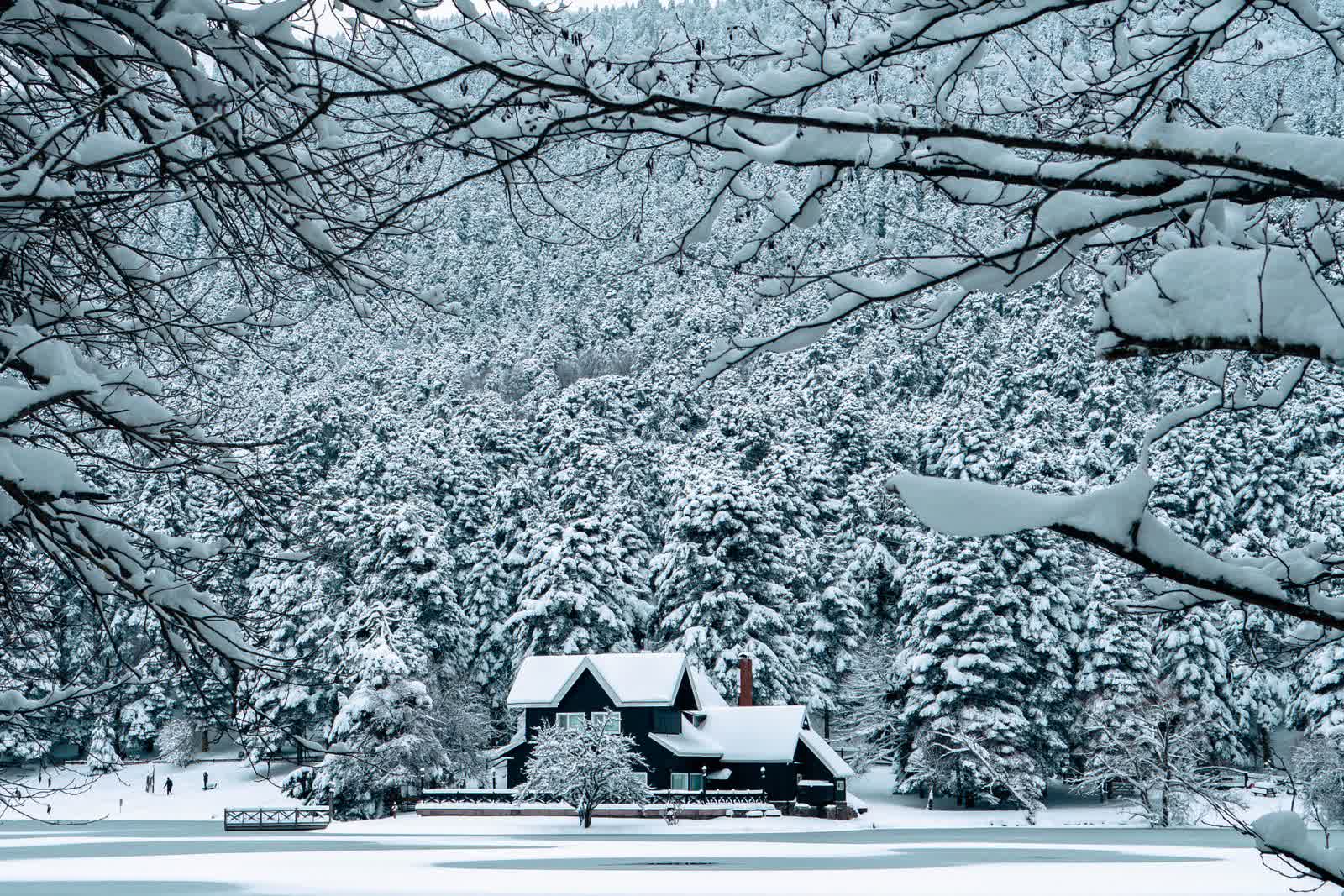
A crew does not choose snow by accident. It needs snow on screen, because the story takes place in winter, because a seasonal campaign was scheduled then, or because the setting has to stay believable under snow. A cleared, heated and accessible property becomes a serious option, even in February.
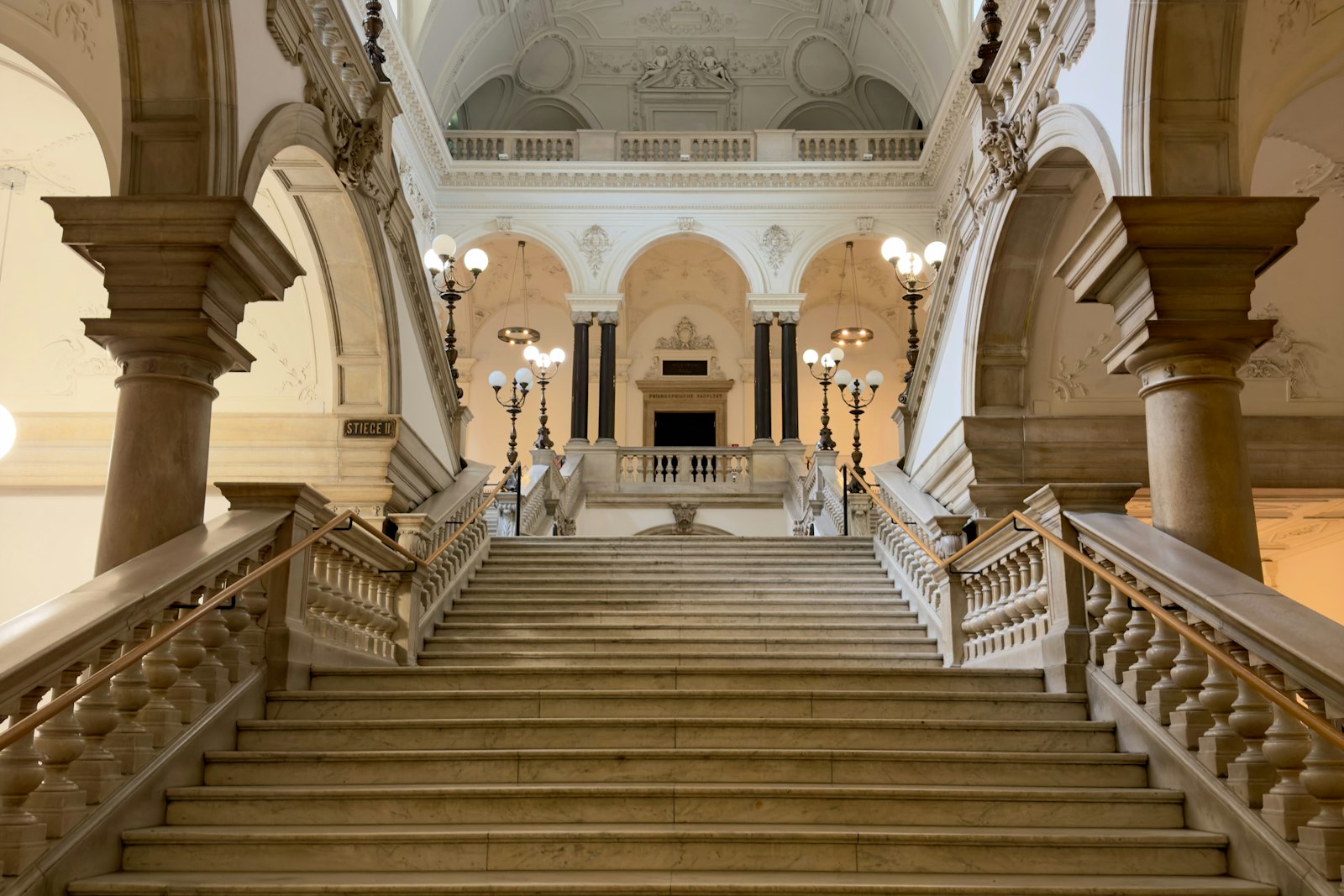
The reverse is easier. A summer scene can be shot in winter with the right equipment. A winter scene is hard to shoot without snow. That is what gives your space real value for a few weeks a year, especially if it has character: a stone house, a chalet, a barn, a uniform residential street.
What snow changes on your property
Snow affects several practical points of the shoot day.
- Access: a cleared driveway, yard and parking area are essential. Snowbanks shrink the turning space and the number of vehicles you can host.
- Surfaces: salt, sand and meltwater end up on floors and rugs. Plan protection at the entrance and along the walking routes.
- Roof and eaves: snow and ice fall. A clearly marked area to avoid is better than an incident.
- Sound: at night, engines, generators and snow clearing carry further than in summer.
- Neighbours: a crew arriving at 7 a.m. on a Sunday gets noticed. Telling your neighbours ahead of time prevents most friction.
Shorter working days
Available daylight drops sharply in winter. A crew shooting outside has to work inside a narrow window, and interior scenes take up more of the schedule.
For you, that changes two things. The day can start very early and end earlier than in summer. And the constant traffic between inside and outside lets cold air in: doors left open, gear moved through the house, boots carrying snow. A room where the crew can warm up, have coffee and take off wet boots protects the rest of the home.
Power, parking and crew comfort
- Power: with less natural light, artificial lighting becomes central. Easy access to outlets and a clear electrical panel simplifies the day a great deal. If the load is high, the production brings a generator.
- Parking: a cleared space for trucks and crew vehicles. Check early in the morning that nothing has been blocked overnight.
- Comfort: a table for meals, access to a washroom and a place for snow-covered gear are part of what makes a crew want to come back.
- Floors: protective mats at the entrance and along the main path limit salt and water marks.
What to settle before the shoot day
Every booking arranged through Locloc comes with a signed contract that sets out each party’s responsibilities. You approve each project and set your own conditions: days and hours, areas that may be used, the number of people present, and who stays on site.
A few season-specific questions are worth settling in advance:
- Snow clearing: decide who clears the snow, at what time, and confirm the access will be open on the morning of the shoot.
- Protection: mats, floor coverings and boot covers. A short list sent to the production before the day is usually enough.
- Insurance: you can require proof of the production’s liability insurance, as well as a security deposit. Your own home insurance remains your primary coverage, and it is worth checking with your insurer, since most policies exclude commercial activity.
- Neighbours: a note or a call the day before settles most issues around noise and parking.
To see how a first shoot day unfolds, from clearing snow in the morning to the crew leaving, read our article on hosting your first film shoot.
How much a winter shoot pays
Rates are the ones you set, and snow does not create a special rate. It does support your conditions: more preparation, an access to keep clear, less parking space. As a guide, per shoot day, a residence rents for $500 to $2,000, a commercial space for $1,500 to $5,000, an outdoor space for $500 to $2,500, and an exceptional venue for $8,000 and up.
To place your property in the wider market, read our article on how much you can earn renting your space for filming.
How to get started
The directory of filming locations across Canada will bring properties and their owners together in one place, with price ranges and a common booking framework.
If your house, chalet or business can host a crew on a winter morning, list your property on the waitlist for free. Registration carries no obligation and no credit card.