
You have accepted your first shoot and the date is approaching. Most owners picture a more chaotic day than it actually is. A professional shoot follows a precise sequence, and knowing what to expect is enough to approach the day calmly. Here is how it unfolds, from the morning to the moment the crew leaves.
The arrival, early in the morning
Shoots often start early. The crew arrives at the agreed time, known as the call time, which is set out in the contract. The first people on site are usually the location manager and the technical crew, followed by the equipment. Plan for clear access and parking for the production vehicles, two points settled in advance in the agreement.
Setup
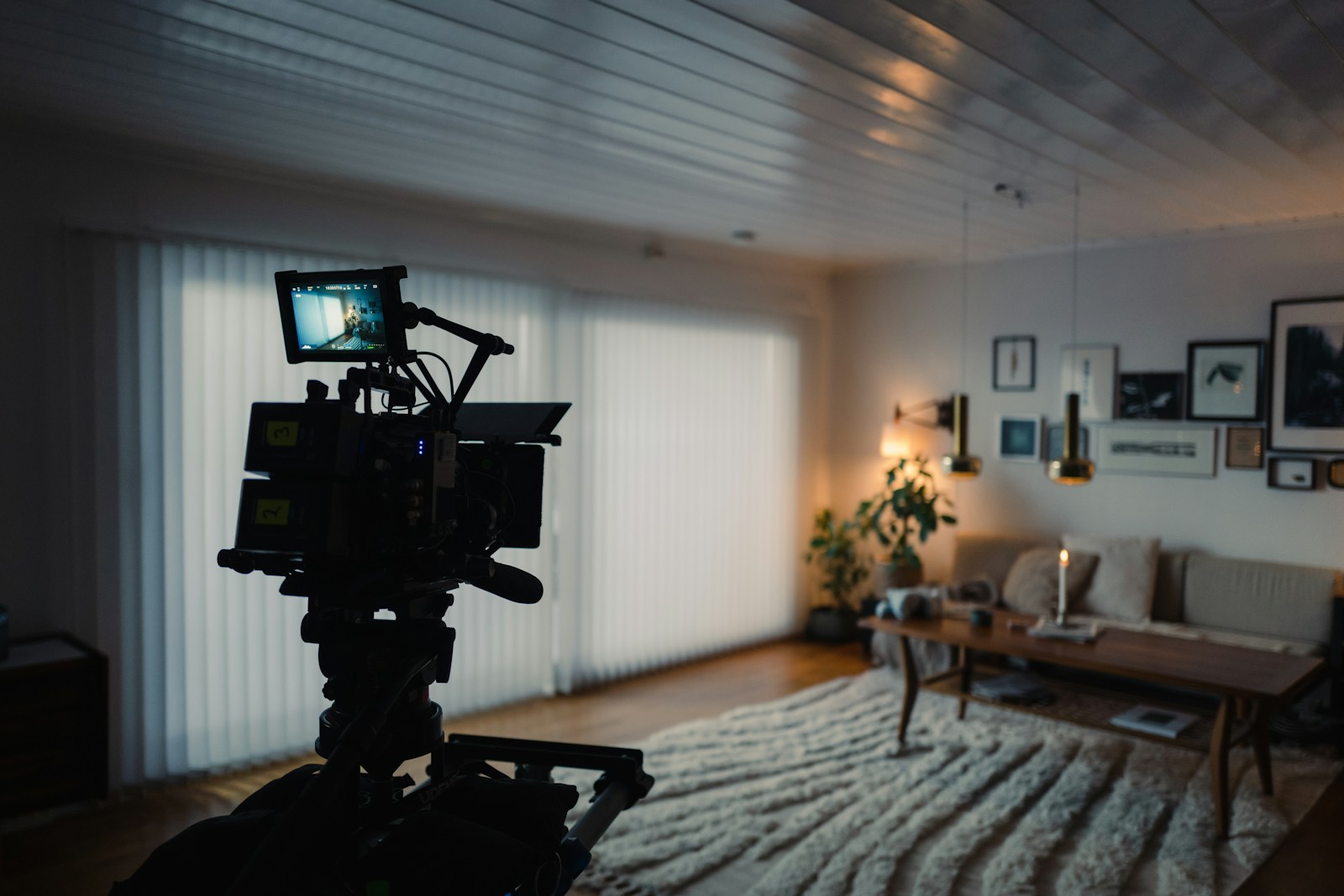
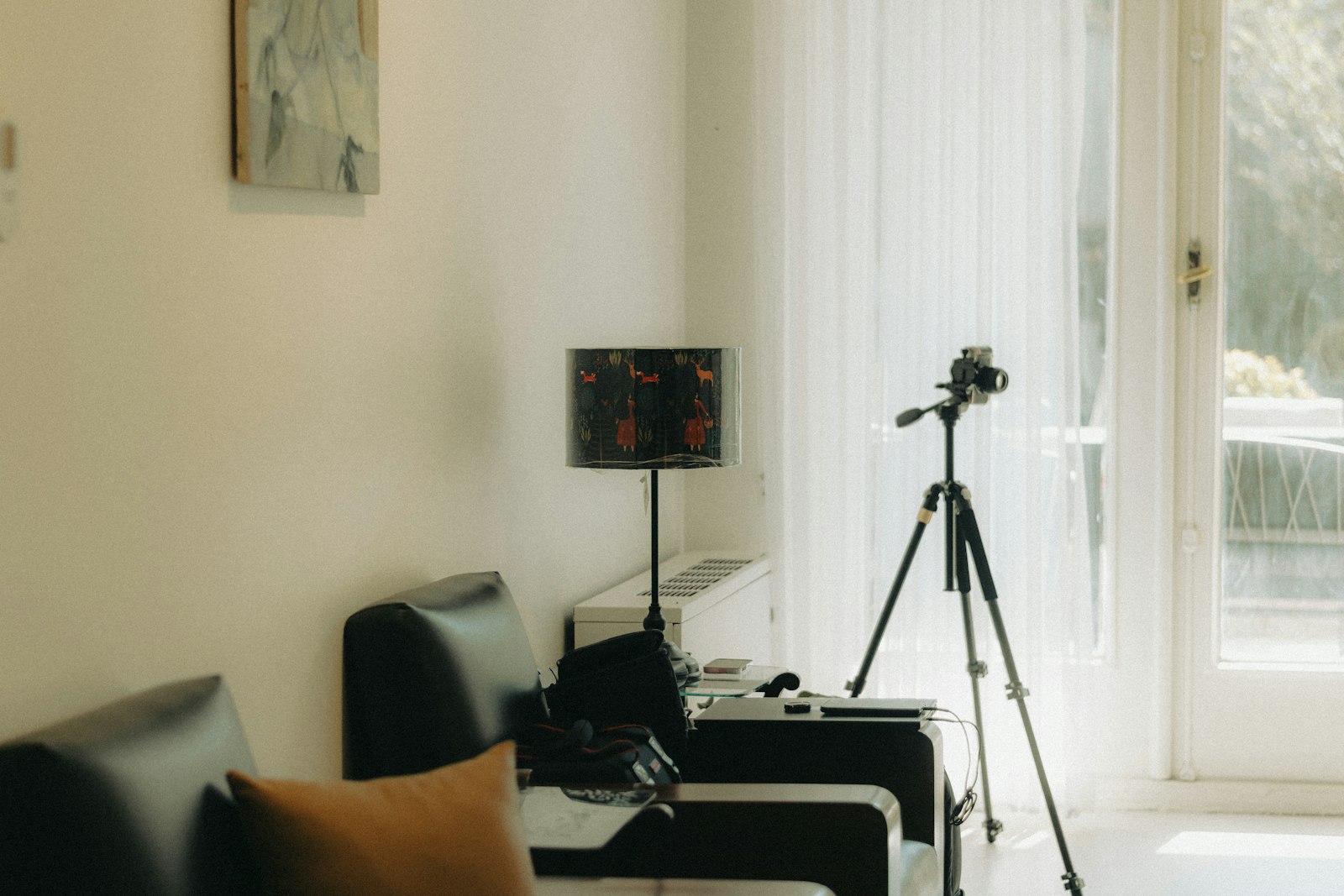
Before the first take, the crew protects surfaces, sets up lighting, and places the cameras. This is often the longest part of the day. It is normal for furniture to be moved temporarily and for some rooms to change appearance. Everything is put back at the end. If certain objects must not be touched, you have already said so, and a quick reminder to the location manager is enough.
During the shoot
Once the shoot is under way, the day settles into a steady rhythm of takes and adjustments. A set is calmer than most people imagine, because silence is required during takes. Everyone has a defined role and one person coordinates the whole thing. There is nothing for you to manage.
Your presence depends on what you agreed. Some owners stay on site and watch from a distance, others hand over access and go about their day. Either way, you keep one point of contact reachable.
How long the day lasts
The length varies by project. A commercial or a single scene can wrap in one day, while a more ambitious production books a location for several days. A typical shoot day often runs eight to twelve hours, setup and strike included. The contract states these hours in advance, so you know exactly when the crew arrives and when it leaves. If extra time becomes necessary, it is offered to you, never imposed.
Strike
At the end of the day comes the teardown, known as the strike. The crew packs up the equipment, removes the protections, and returns the furniture to its place. A careful shoot leaves the location the way it found it. This is a good moment to walk through the space with the location manager and compare it with the photos taken before the shoot.
After the shoot
Once the crew has left, all that remains is to confirm everything is in order. Payment follows according to the terms of the contract. Many owners are surprised by how smoothly the day went, and readily accept a second project.
Your markers for a successful first time
Three simple habits make a first experience easier: document the state of the space with a few photos before and after, keep someone reachable during the day, and remind the location manager of your rules on arrival. The crew handles the rest.
To get your space ready beforehand, read how to prepare your property for a shoot, and for the framework that protects you, insurance and contract. Have you not listed your space yet? Browse the directory of filming locations across Canada, then list your property for free.