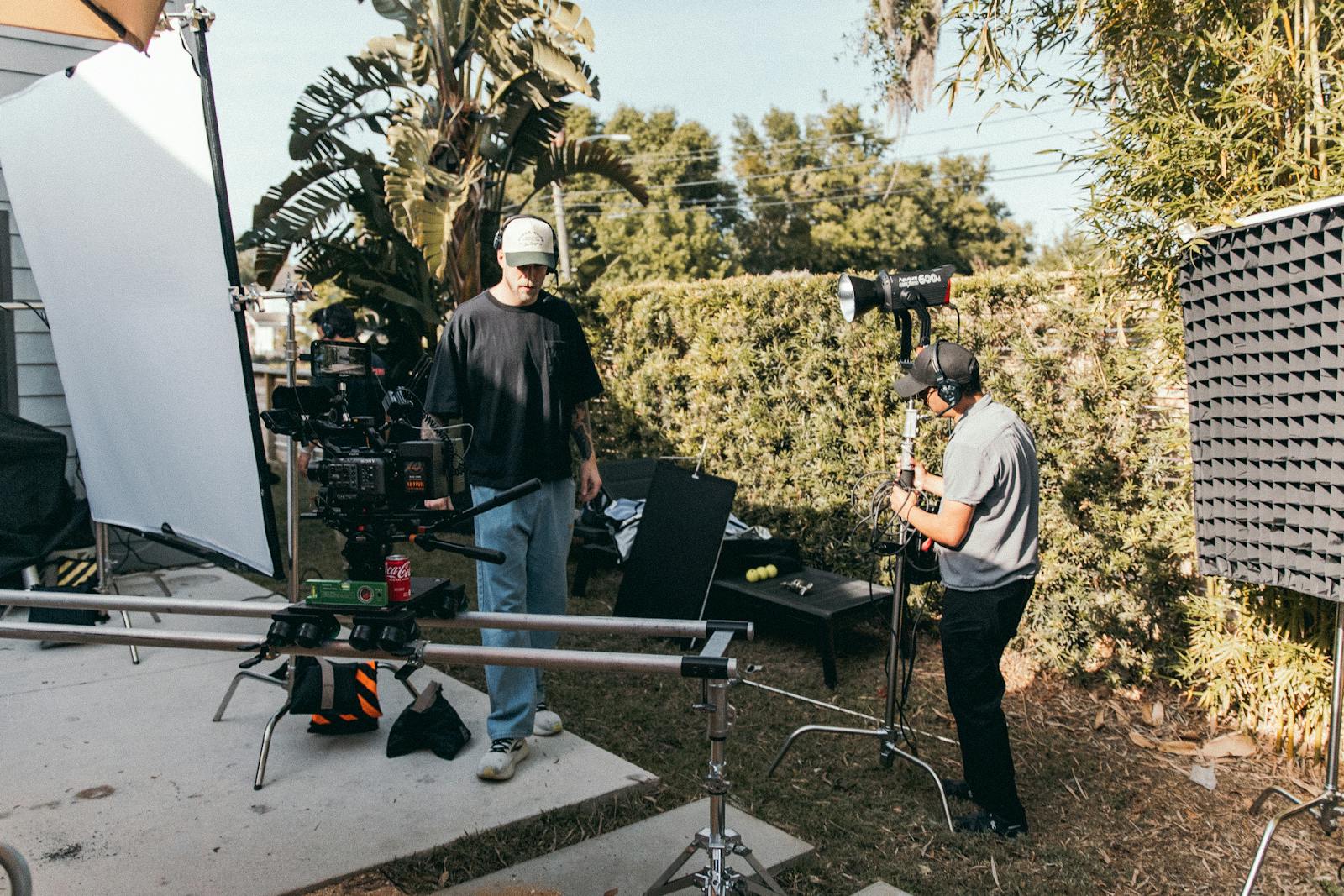
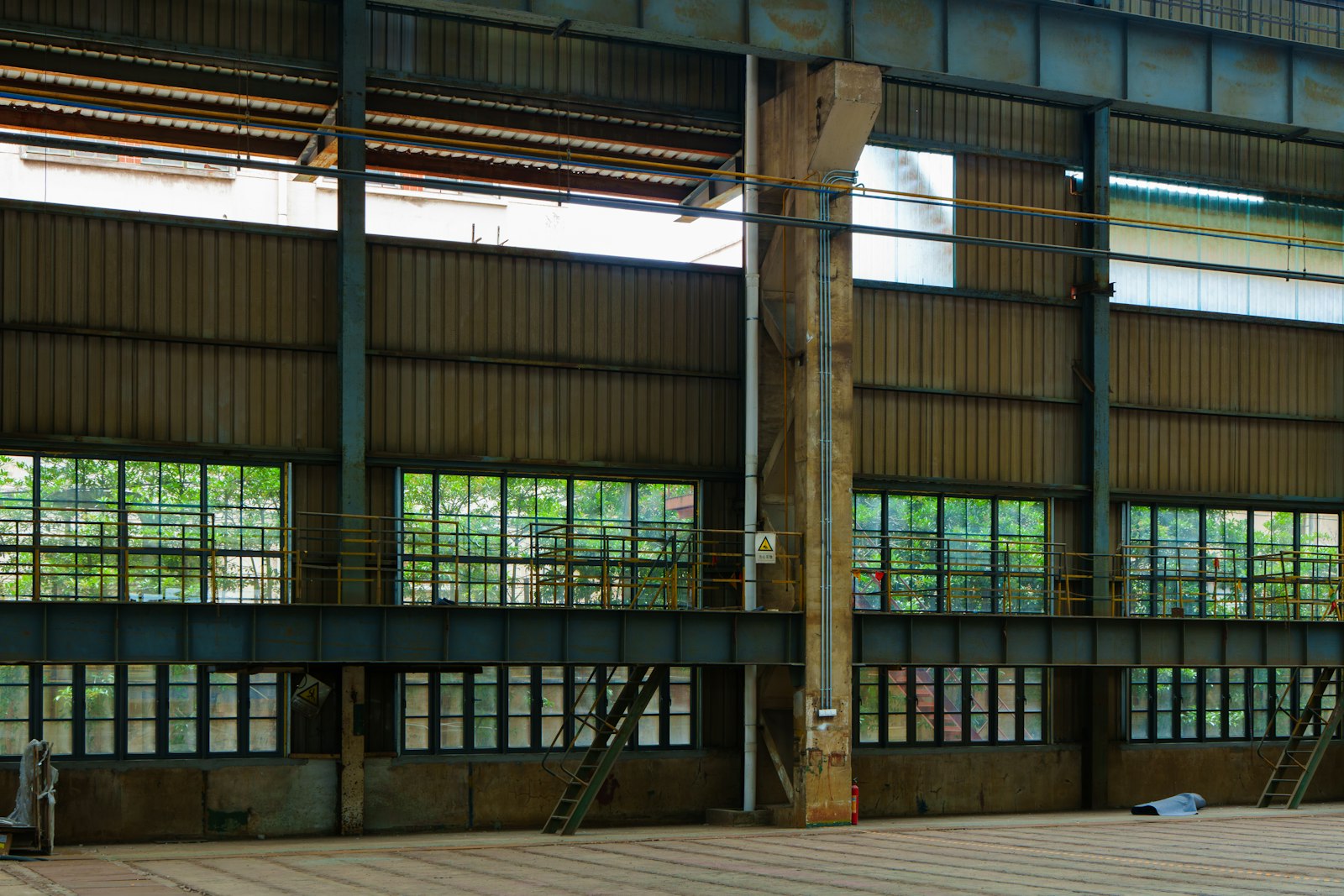
An office that sits empty on Saturdays, a warehouse that goes quiet between deliveries, a retail unit waiting for its next tenant. These spaces hold a value that few owners think to use. Productions across Canada are constantly looking for believable workplaces to film a series, a commercial, or a feature. Here is how a commercial space rents by the day, and what makes the difference.
What a commercial space earns as a filming location
Offices, retail units, workshops, and warehouses typically rent for $1,500 to $5,000 per shoot day. The amount depends on the floor area, the quality of access, the duration of the shoot, and the constraints you accept.
An industrial floor with loading docks and high ceilings usually lands at the top of that range. A small neighbourhood unit, closer to a residence in size and layout, negotiates nearer the bottom. A prep day and a strike day are usually added at reduced rates, often half the shoot-day rate.
What productions look for in an office or warehouse
- Clear floor area. A crew arrives with equipment, carts, cases, and a production desk. An open floor works better than a crowded one.
- Height and light. High ceilings and generous windows make it easier to rig lighting and to work with natural light.
- Access. A loading dock, a freight elevator, or a ground-level entrance saves the crew from carrying equipment by hand. Parking nearby is a real advantage.
- Raw character. A concrete floor, exposed steel, or an industrial ceiling reads as a credible workplace on camera, whether the scene is an office, a warehouse, or a workshop.
- Quiet and power. A low-noise area and enough electrical capacity prevent most problems on the shoot day.
None of these points requires a renovation. A clean workplace that is empty and easy to reach often rents better than a decorated one.
Shooting without interrupting your business
Most shoots in commercial spaces happen outside opening hours: early morning, evening, weekends, or during a transition between two tenants. Your operation does not stop.
A few precautions keep the cohabitation simple:
- Set a clear time window and write it into the contract.
- Restrict access to the agreed areas, and lock what should stay locked.
- Schedule equipment delivery so it does not clash with your own deliveries.
- Give neighbours or other tenants a few days of notice.
If the crew has to shoot during your opening hours, cordon off the area in use and assign one person to manage movement. A crew will gladly respect a precise framework when it is stated in advance.
You set your conditions
Every booking arranged through Locloc rests on a signed contract that sets out each party’s responsibilities. You approve each project and you set your conditions: hours, accessible areas, permitted equipment, security deposit. You can also require proof of the production’s liability insurance.
Locloc does not provide or arrange insurance. Your own policy remains your primary coverage, and most business or property policies exclude commercial activity carried out by a third party. Check with your insurer before your first shoot, then confirm in writing what the production is expected to provide.
How to start
You do not have to assess your space alone. Browse the directory of filming locations across Canada to see how comparable commercial spaces present themselves, look at demand in an active market such as Toronto, and compare with the ranges in our guide to renting your space for a shoot. If your premises can host a crew, list your property on the waitlist. Registration is free, with no obligation and no credit card.