A photo shoot brings fewer people, less equipment, and often runs shorter than a film shoot. That is exactly what makes it an accessible first project for a location owner. Here is what sets a photo shoot apart, what it pays, and how to keep control of your space.
How a photo shoot differs from a film shoot
A photo shoot produces still images: a catalogue, print advertising, fashion, product photography, a corporate portrait, or social media content. The way the team works is clearly different from a video shoot.
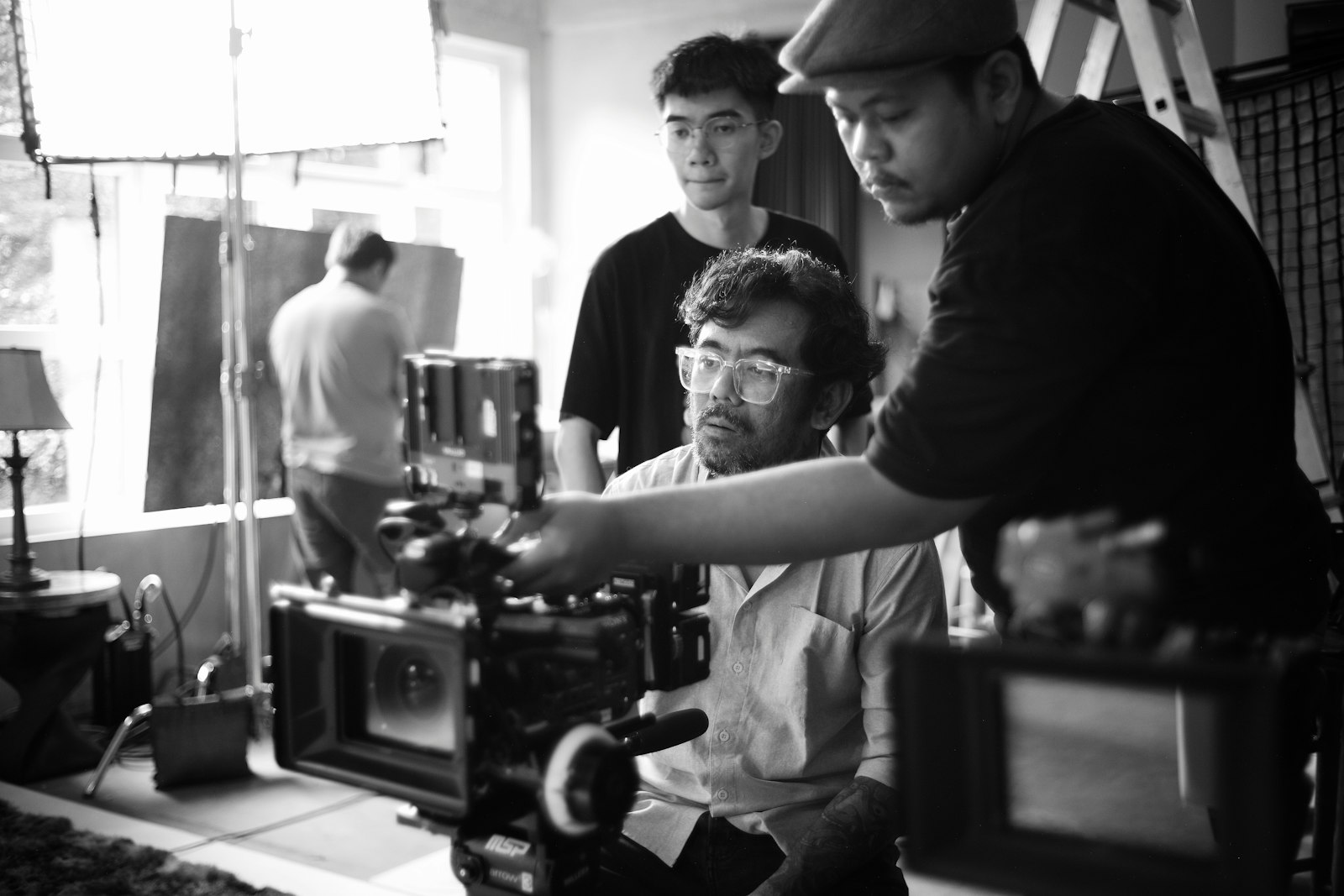
- A smaller crew. There are often three to eight people: the photographer, one or two assistants, sometimes a stylist, and a client present to approve the images.
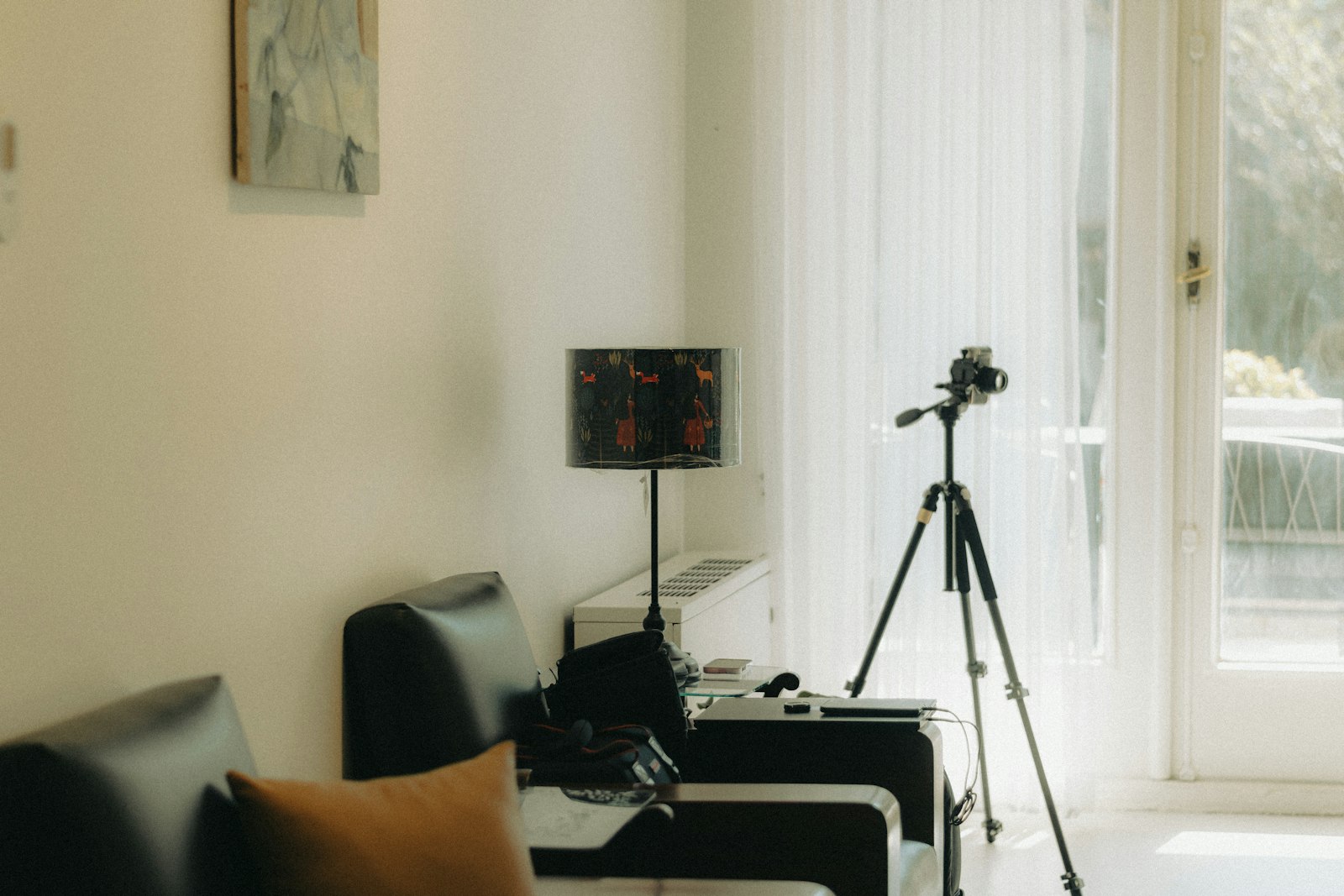
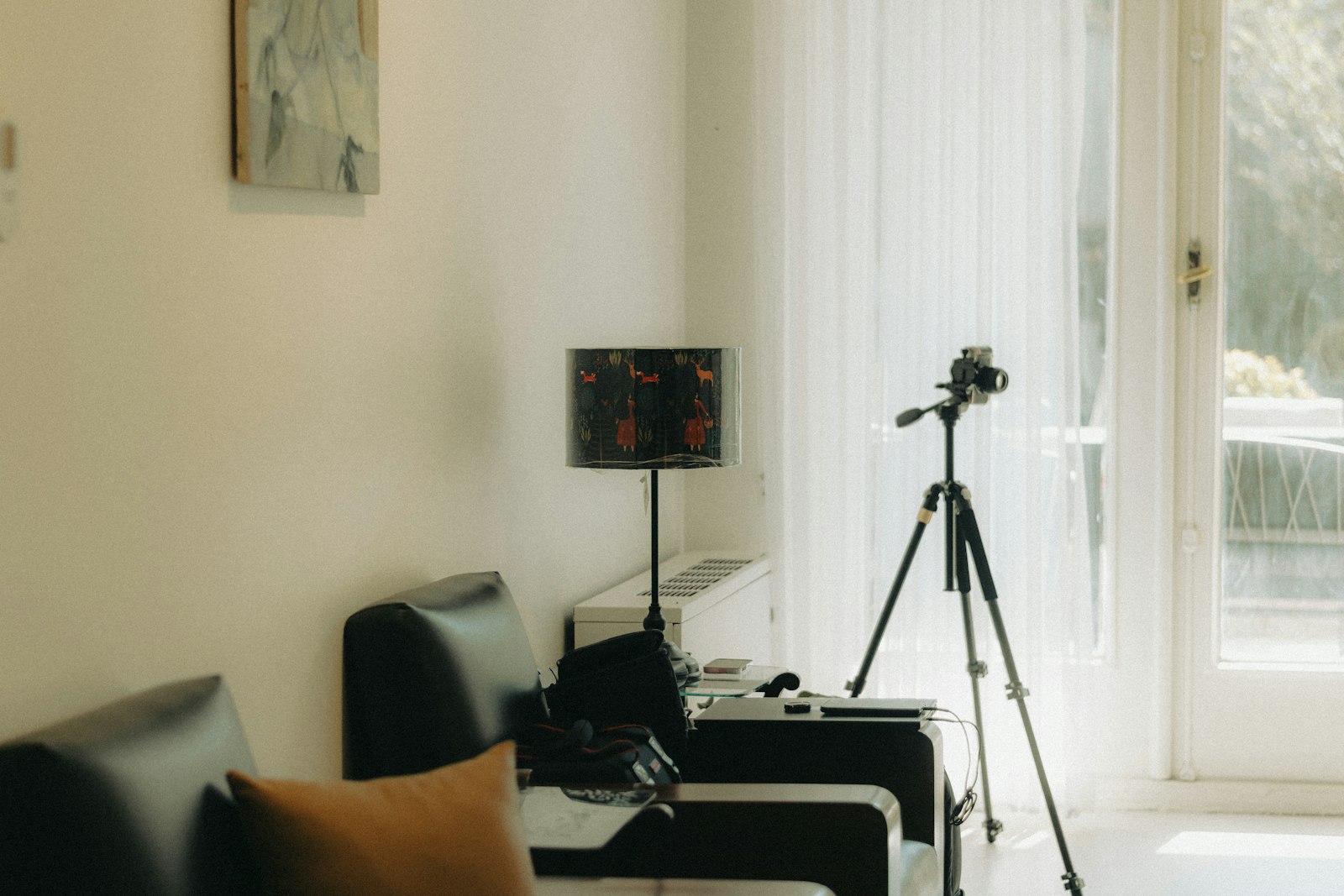
- Lighter equipment. Tripods, camera bodies, fill lights, and backdrops: the footprint is more discreet than a camera crew with its grip equipment.
- A faster pace. An image is approved on the spot, while a scene is shot in several takes. Many photo shoots fit into half a day.
- A need for natural light. Most photographers favour daylight and shape it with reflectors and diffusers rather than heavy lighting.
For an owner, these differences mean a calmer day and a smaller footprint.
How much a photo shoot pays
Rates fall within the same ranges as a shoot, per shoot day, depending on the category of space:
- Residences (houses, condos, lofts): $500 to $2,000.
- Commercial spaces (restaurants, offices, warehouses): $1,500 to $5,000.
- Exceptional venues (heritage, unique spaces): $8,000 and up.
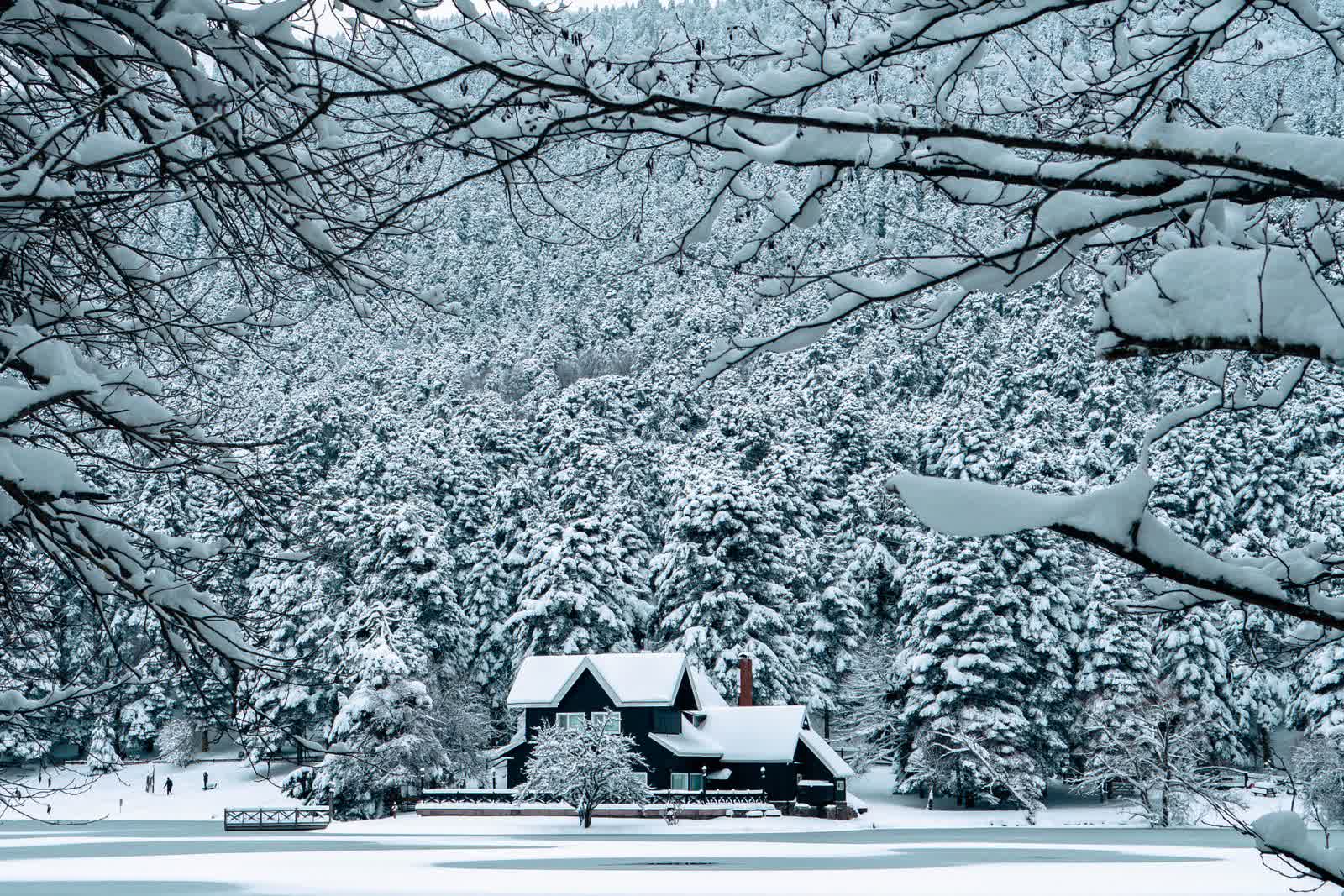
- Outdoor spaces and lots: $500 to $2,500.
Several factors move the number: the type of production, the actual time in use, the exclusivity requested, and the conditions you set. A half day is often prorated, and some photographers book the full day to keep the morning light. You set your own rate. To see where your space fits in the wider market, read our article on what you can earn renting your space for filming.
What photographers look for in a location
A photo scout does not look at a space the way a film scout does. Here is what matters:
- Natural light. Large windows, good orientation, bright rooms: this is the first criterion.
- Simple surfaces. Clean walls, textured materials, and a restrained palette serve as a backdrop.
- Character. A room with a strong identity, a staircase, a fitted kitchen, or a well-kept exterior can make the difference.
- Room to back up. A photographer needs to step back for a wide shot and set up a tripod without being pressed against the wall.
- A tidy space. A clear room works better than a cluttered one.
A few simple elements, such as a table, a counter, or a large flat surface, are often in demand for product images.
How your space is used during the day
A photo shoot takes up less room than a film shoot, but it still turns your room into a studio for a few hours.
- Furniture may be moved to clear the frame, then put back in place.
- Lights, reflectors, and sometimes a backdrop are set up, with cables to protect.
- Floors and fragile surfaces are covered.
- The work usually focuses on one or two rooms, rarely on the whole space.
You can specify in advance what can move, what stays in place, and which rooms are off limits. Putting the space back is part of the day.
Staying in control of the project
On Locloc, every booking is governed by a signed contract that sets out each party’s responsibilities. You approve each project and set your own conditions. You can require proof of the production’s liability insurance and a security deposit.
Locloc does not provide, include, or arrange insurance. Your own home insurance remains your primary coverage. Since most home policies exclude commercial activity, it is worth checking with your insurer before your first photo shoot.
How to start
Browse the directory of filming locations across Canada and see how other spaces present themselves, including in Montreal. Then list your property on the waitlist for free. Registration carries no obligation and needs no credit card.