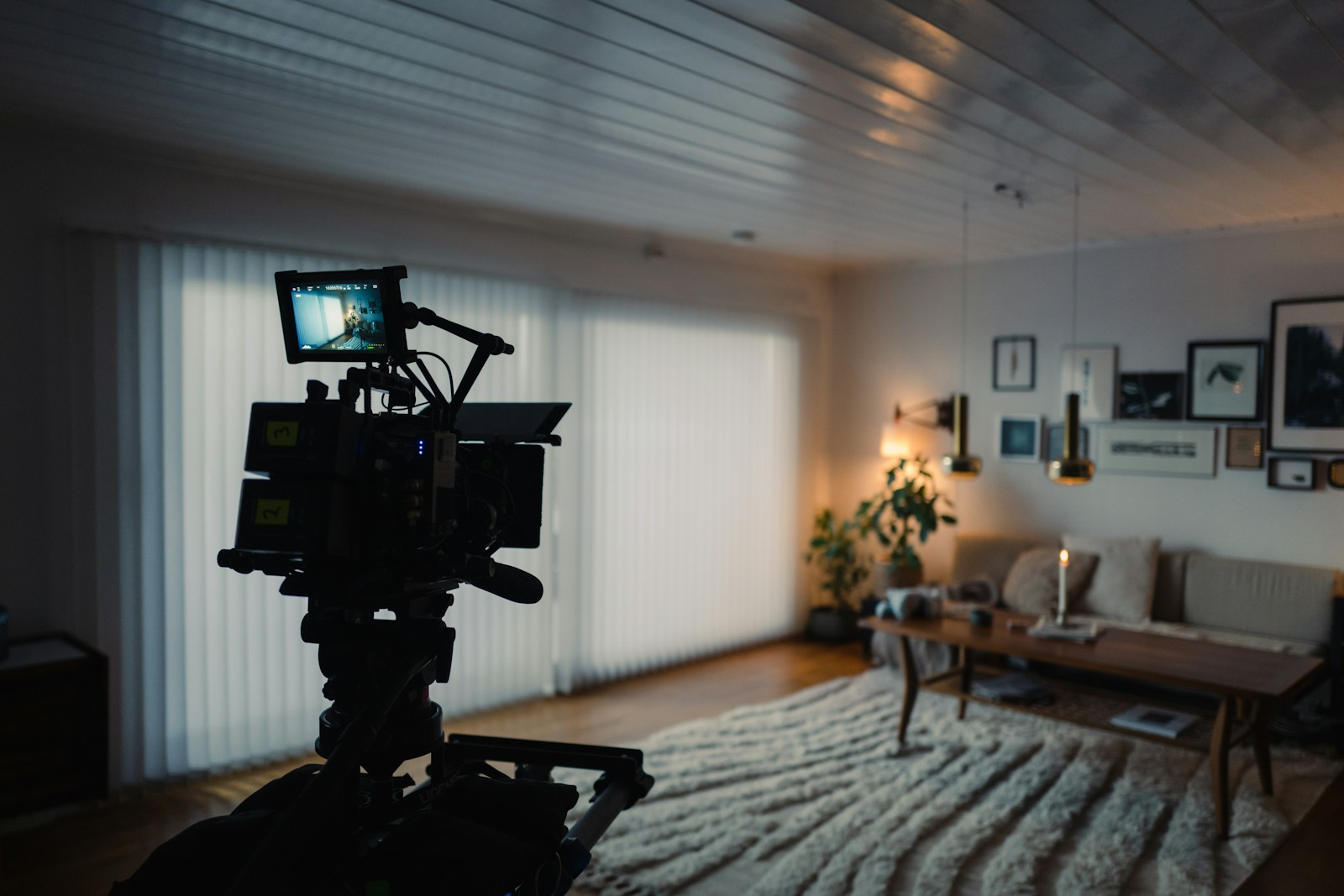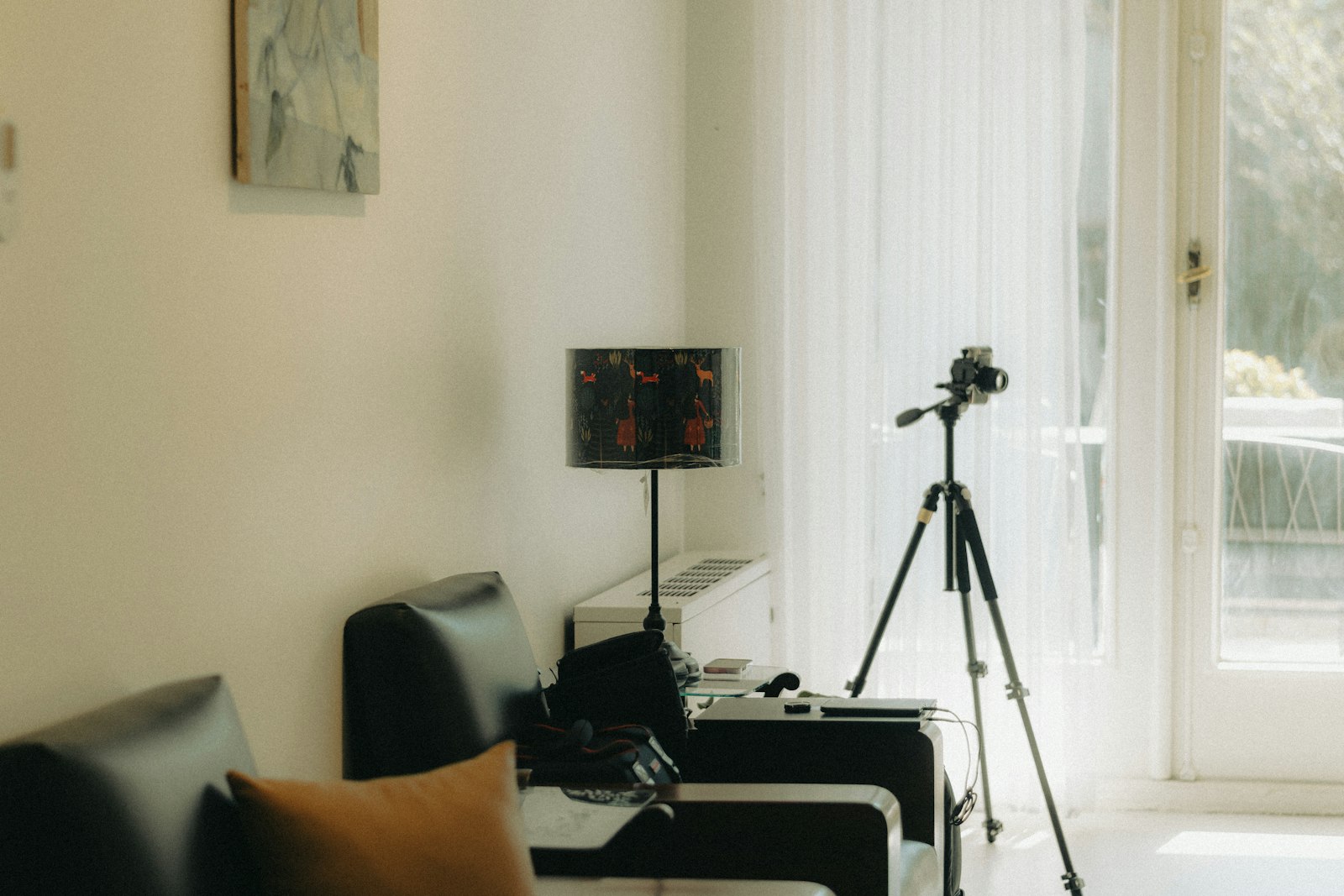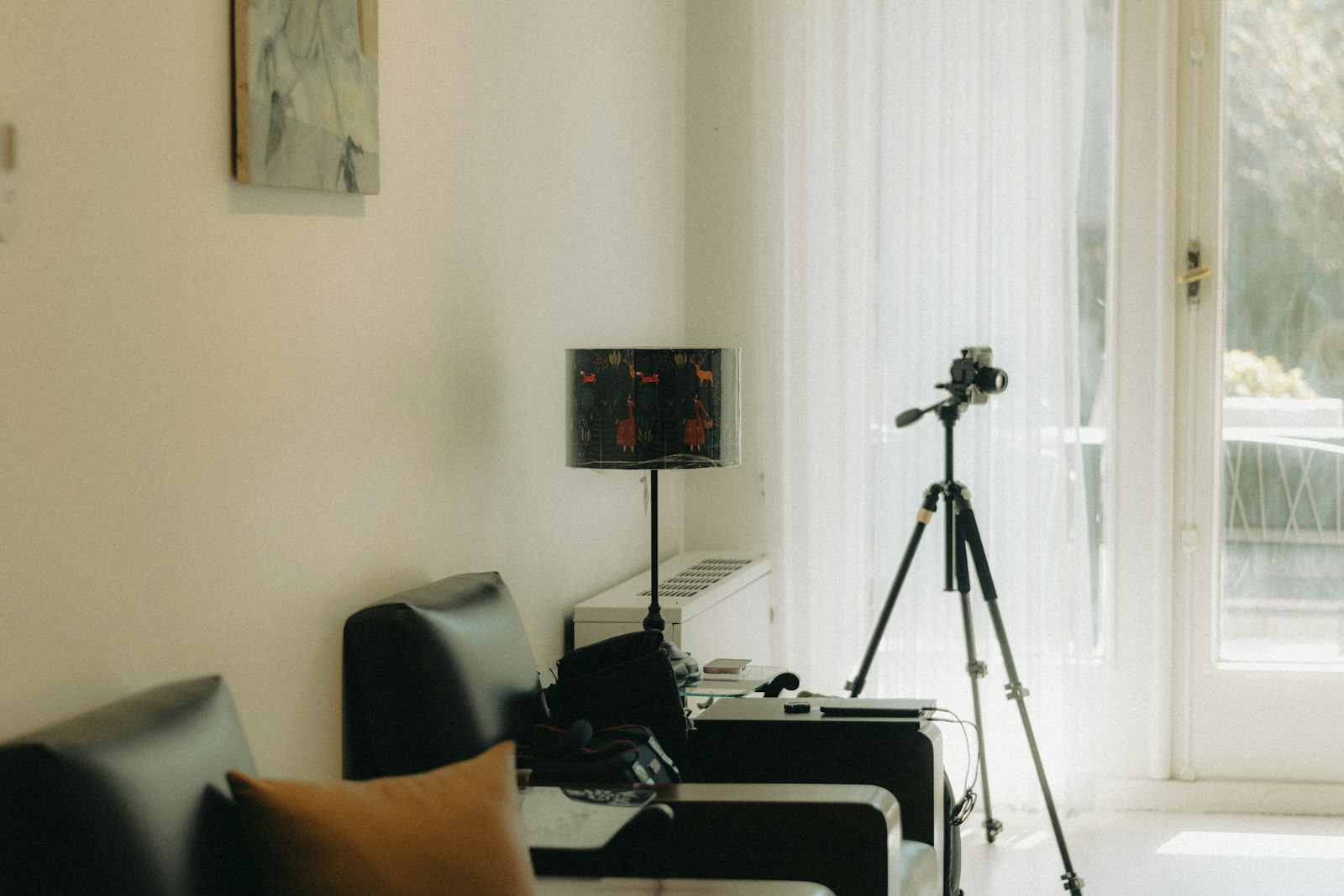
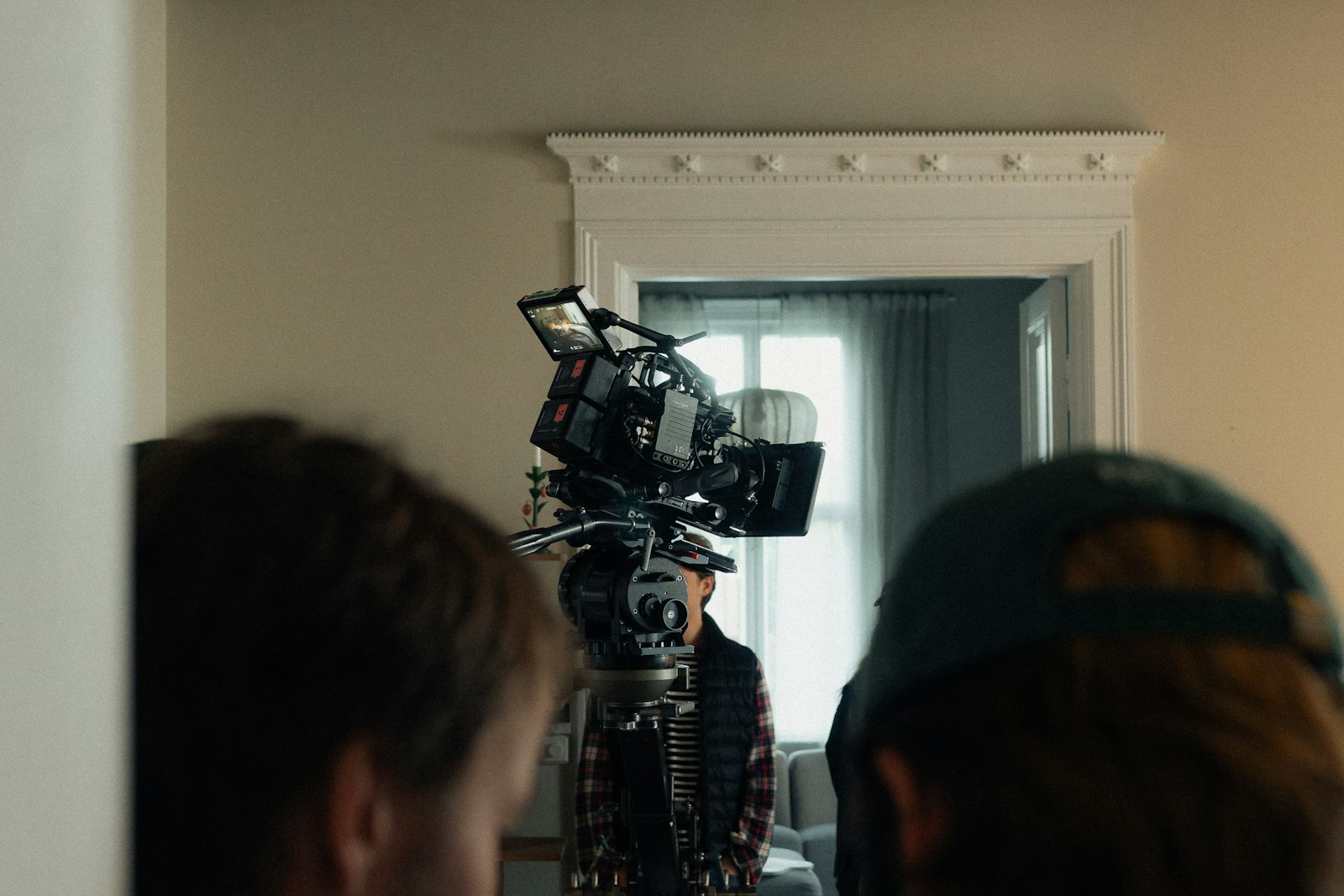
A thirty-second commercial often takes several days of preparation and a full crew. To find the right set, agencies and production companies increasingly rent real locations instead of building studios. Here is how a commercial shoot unfolds in a private space, and what it means for you.
Why advertising productions rent real locations
A studio is expensive and has to be built from scratch. A real location brings immediate credibility: a kitchen that has been lived in, a business in operation, a living room with a real window. Brands want images rooted in everyday life, and an authentic set often costs less than a reconstructed one.
For you, this means an ordinary space, well kept and bright, has value. You do not need a spectacular set to interest a production.
How much a commercial shoot pays
The rate depends first on the type of space, not on the product being featured.
- Residences (houses, condos, lofts): $500 to $2,000 per shoot day.
- Commercial spaces (restaurants, offices, warehouses): $1,500 to $5,000 per shoot day.
- Exceptional venues (heritage, unique architecture): $8,000 and up per shoot day.
- Outdoor spaces (lots, yards, land): $500 to $2,500 per shoot day.
Prep and strike days are often added on top, billed even when no camera is rolling. A commercial can therefore block a location for three or four days. To see where your space fits in the broader market, read our article on how much you can earn renting your space for filming.
What advertising productions look for
A scout preparing a commercial rarely looks for a neutral set. They look for a place that says something.
- Natural light. Large windows, a good orientation, bright rooms. This is the first criterion, because natural light produces images the crew does not have to recreate.
- A readable identity. A consistent style, a recognizable era, or a distinctive material helps the brand tell its story.
- Room to move. A commercial crew is large: production, hair and makeup, wardrobe, technical. A space where equipment can be set up without moving everything is easier to work in.
- Easy access. Parking, a wide entrance, an elevator or a ground floor. Logistics matter as much as looks.
How a commercial shoot day unfolds
A typical day starts early, sometimes before dawn. The crew arrives with equipment, protects the surfaces, and sets up its lights. Load-in can take several hours before the first shot.
The shoot itself is often fragmented. A thirty-second commercial is filmed shot by shot, with many takes, and the crew may stay focused on a single room for hours. This is normal work and does not mean something is going wrong.
At the end of the day, the crew packs up, puts the furniture back, and leaves the space as it found it. A well-run shoot stays discreet for the neighbours.
Staying in control
Every booking is governed by a signed contract that sets out each party’s responsibilities. You approve each project and set your own conditions before you commit. You can require proof of the production’s liability insurance and a security deposit. Your own home insurance remains your primary coverage. Because most policies exclude commercial activity, it is wise to check with your insurer before accepting a shoot.
How to start
Browse the directory of filming locations across Canada, including in Toronto, then list your property on the waitlist for free. Registration carries no obligation.