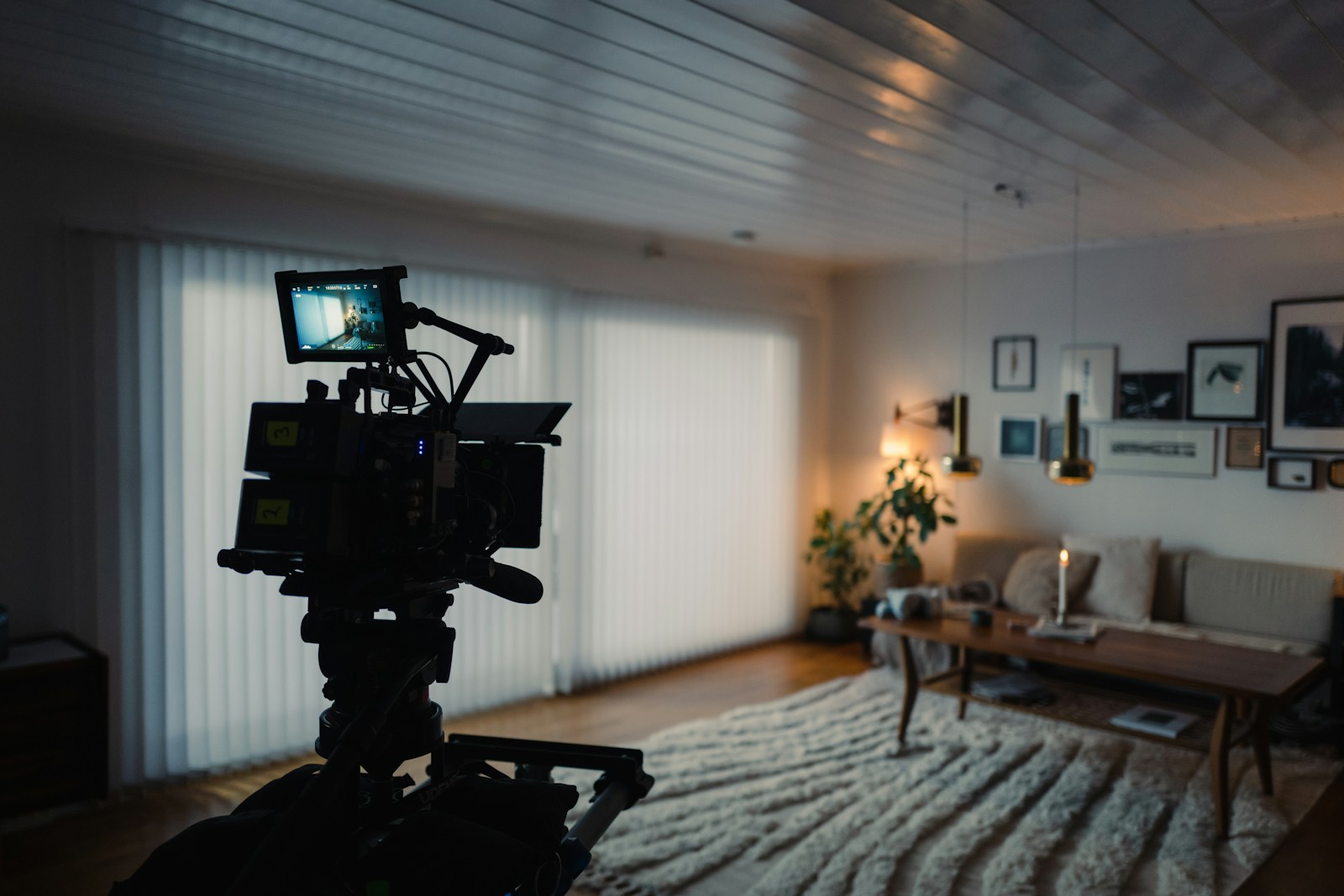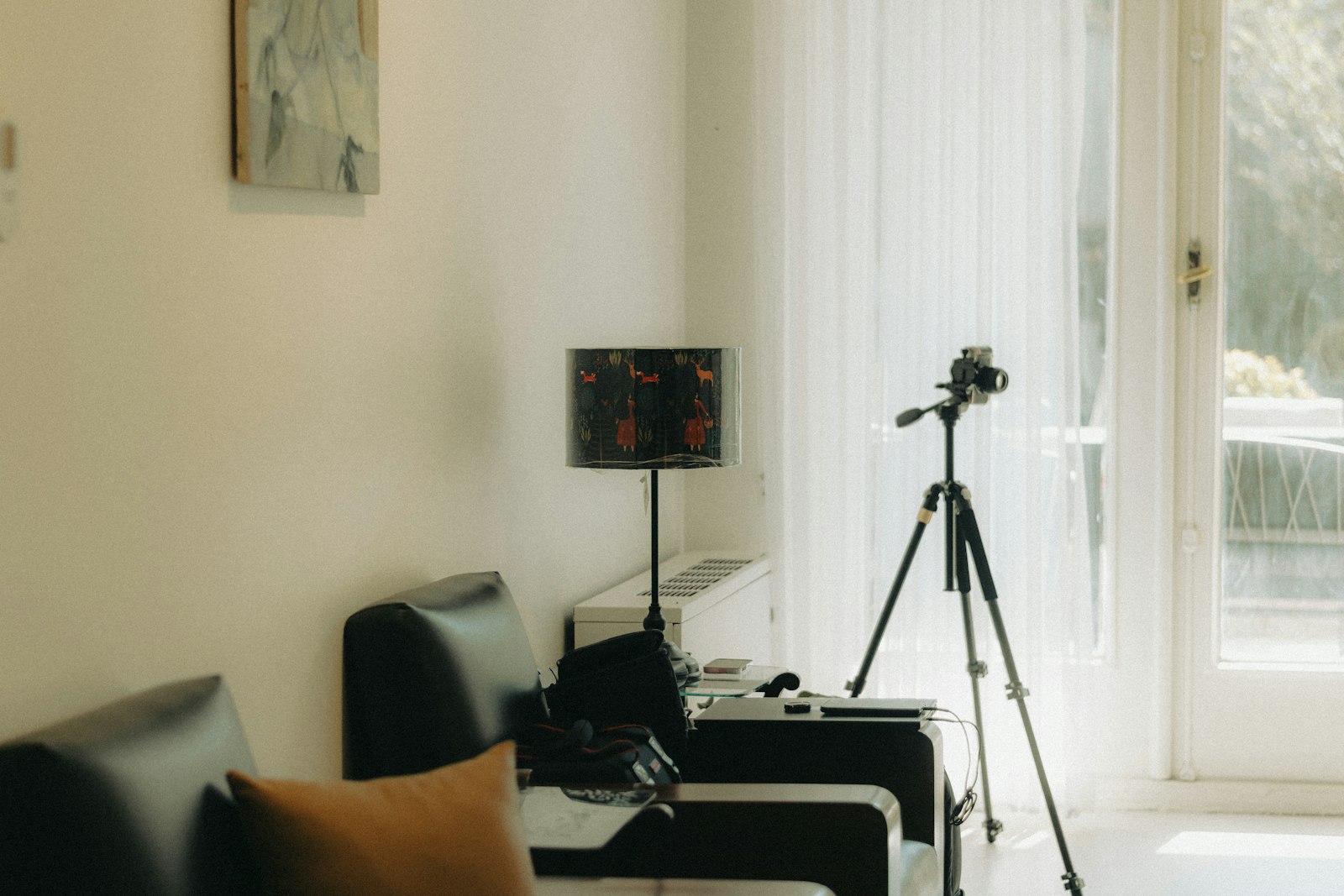

On a filming location marketplace, a production does not visit your property before shortlisting it. It discovers your space through your photos, often in seconds, among dozens of others. Clear, honest photos are your best tool for getting noticed. Here is how to photograph your space yourself, without professional gear.
Your photos make the first cut
Location scouts work fast. They scroll through spaces on screen, rule out at a glance whatever does not fit, and keep a short list to show the director. A poorly lit or cluttered room gets skipped even if it is perfect in person. A sharp, bright photo makes someone want to see more. Your images are not there to flatter: they are there to be understood quickly.
Get the light right first
Natural light is your ally. Shoot during the day with the curtains open, avoiding direct sun that blows out the windows. Turn off yellow ceiling lights that distort colours where you can. Hold the camera, or phone, at chest height and level, so vertical lines stay parallel. Take several frames of the same room and keep the clearest one. One simple rule: if you have to squint at the photo, it is too dark.
Tidy up, then frame wide
Remove clutter, personal items, and anything that dates the room for no reason. A production needs a set it can dress its own way, not an interior that is already full. Frame wide from a corner of the room to show the volume and the flow. Then add a few tighter shots of the details that give the space character: a fireplace, a skylight, an original floor, a generous ceiling height.
Show every space, not just the best one
A production judges a location as a whole: where to stage equipment, where to place the crew, how to get in. Photograph every usable room, the access points, the yard or the parking, and the views from the windows. A hallway, a basement, or an entrance can be decisive for the logistics of a shoot. Giving scouts a complete view of the space builds their confidence and spares everyone a wasted visit.
Describe what a photo cannot show
Some details matter as much as the image and do not appear in it: the orientation and how the light changes through the day, the ceiling height, whether you can black the space out completely, truck access, available power, the noise level. Write them down. These are exactly the constraints a production checks before committing to a location.
Mistakes that get a space passed over
- Dark, blurry, or crooked photos.
- Excessive wide angle that warps the room.
- Filters, oversaturated colours, or misleading edits.
- A single photo, or only the prettiest room.
- Clutter, or people and pets in the frame.
An honest photo beats a flattering one: a production that travels for a scout and finds something different does not come back.
You stay in control
Posting photos commits you to nothing. On Locloc you approve each project, set your own conditions, and every shoot is governed by a signed contract. Your photos only serve to help the right productions find you.
How to start
See how spaces are presented in the directory of filming locations across Canada, read what productions look for in a location, then list your property on the waitlist for free.