
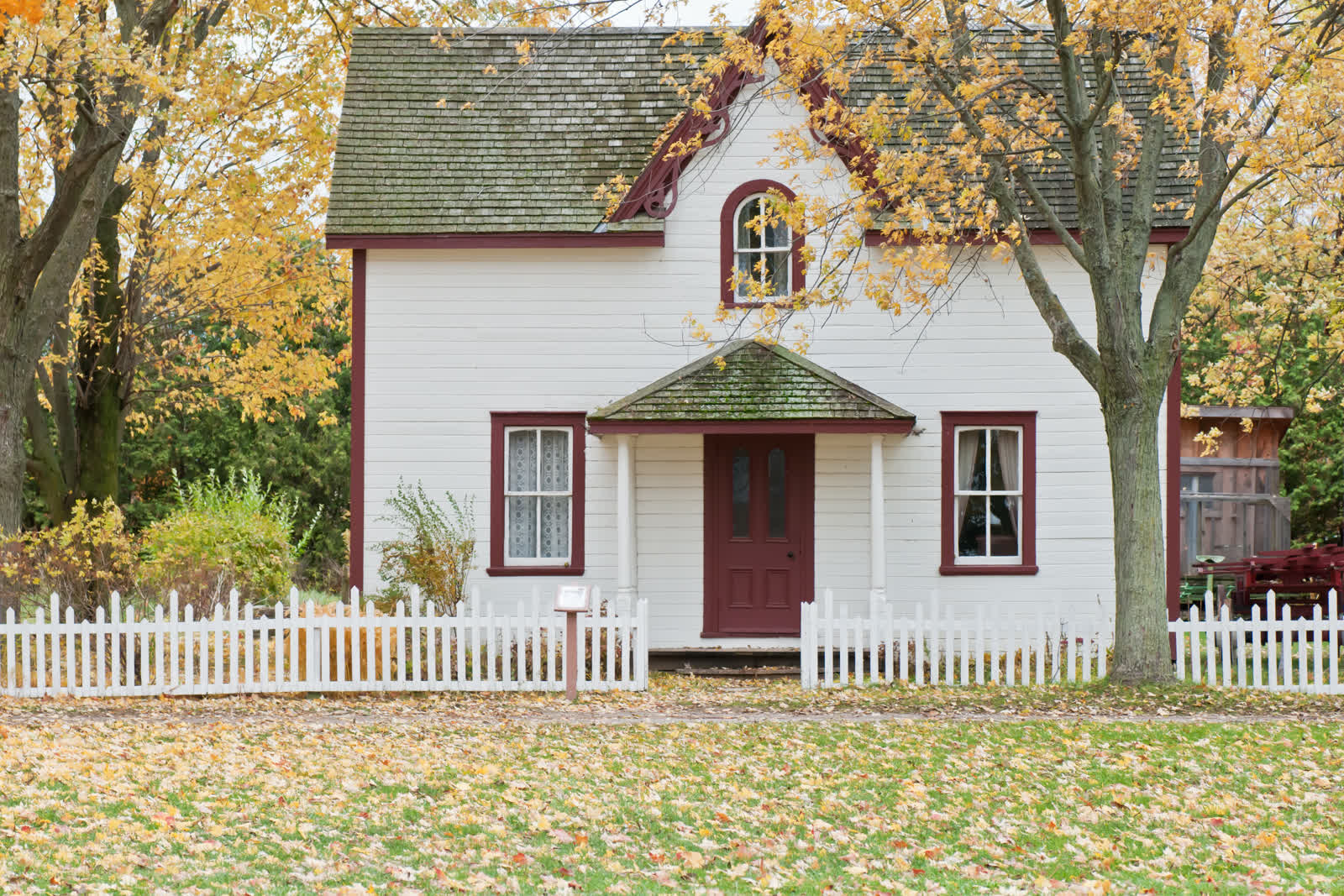
A lake at sunrise, a forest with no neighbour in sight, a stone-walled country house: some settings simply do not exist in a city. Canada’s regions offer these environments a few hours from the main hubs, with their own locations, rhythms, and constraints. This guide covers what shooting in the regions changes for a production, from scouting to logistics, and how to choose the right place.
Why shoot in the regions
Three reasons come up most often. Setting first: a lake, a farm road, or a mountain village cannot be reproduced on a stage, and a believable real location takes less work than a built one. Space next: outside the cities, a lot, a yard, or a parking area lets you set up a production base and park vehicles without negotiating every metre. Quiet last: less traffic and less ambient noise make sound recording and wide shots easier.
The regions that draw productions
Several regions come up again and again in scouting. Their appeal lies as much in the landscape as in the distance from a major centre.
- The Laurentians: mountains, lakes, and cottages less than two hours from Montreal. The region combines forest, elevation, and resort country, a mix in demand for exterior scenes. See filming locations in the Laurentians.
- Charlevoix: coastal relief, old villages, and built heritage, with the St. Lawrence in the background. A single road there offers mountain, water, and architecture. See filming locations in Charlevoix.
- The Eastern Townships: rolling hills, farms, stone houses, and vineyards east of Montreal. The region suits rural scenes as well as interiors with character. See filming locations in the Eastern Townships.
Cottages, heritage properties, and farms
Outside the cities, locations fall into a few families. Cottages and second homes offer lived-in interiors, often well lit, plus land that works as a base. Heritage properties bring architecture you will not find elsewhere: stone, timber, older proportions. Farms and barns deliver a working setting, with volumes and textures that are hard to imitate. Outdoor spaces and lots cover everything shot outside, from a field to a dock.
As a guide, a residence typically rents for $500 to $2,000 per shoot day, an outdoor space or lot for $500 to $2,500, and an exceptional place such as a heritage estate for $8,000 and up. Each owner sets their own price based on the space, the character of the location, and the constraints of the shoot.
What distance changes
Logistics carry more weight than in a city. These are the points to build into the budget.
- Access and roads: some roads are narrow, unpaved, or closed in winter. The scout visit has to confirm truck access and clearance height.
- Parking and production base: allow room for vehicles, equipment, and crew breaks, sometimes on a neighbouring lot.
- Power: outside serviced areas, a generator becomes necessary, with the noise and fuel that come with it.
- Crews and permits: local crew availability and municipal rules vary from one municipality to the next.
- Lodging and meals: longer days often justify putting the crew up nearby.
- Light and weather: the usable window of light shifts with the season, and one region can offer steadier conditions than another depending on the time of year.
Scouting a location in the regions
Scouting outside the cities means fewer locations per day of visits and more preparation. Start from the script and list what is non-negotiable: interiors, exterior, view, access, silence. Visit at the hour the shoot is planned, so you see the real light rather than the mid-afternoon version. Check the sun’s path, the space for camera, and the rooms the production will actually use. Then discuss terms with the owner: hours, accessible areas, protection of surfaces, and whether they will be on site during the shoot.
Terms and budget
A signed contract precedes every shoot and sets out each party’s responsibilities. The owner approves each project and sets their own conditions. They can require the production’s proof of liability insurance and a security deposit. Their own home insurance remains their primary coverage, and it is worth their checking with their insurer, since most policies exclude commercial activity.
On the budget side, provincial tax credits weigh mainly on local labour rather than on the location fee. Prep days, spent on setup and lighting, are usually billed at a reduced rate.
Finding a location in the regions
The directory of filming locations across Canada will bring locations and their owners together in one place, with price ranges and a shared booking framework.
Do you own a place in the regions that could interest a production? List your property on the waitlist for free, with no obligation.